
![Christian Meditation for Sleep [Find Rest in Him]](https://lifepurposematters.com/wp-content/uploads/emplibot/christian-meditation-for-sleep-hero-1768835760.webp "christian meditation for sleep hero 1768835760")
I spent three nights last week staring at the ceiling, my mind racing through tomorrow’s to-do list while my body refused to cooperate. Sound familiar? You’re not alone-millions of people struggle with sleep, and many are turning to Christian meditation as a way to quiet their minds and find genuine rest.
At Life Purpose Matters, we’ve seen how Christian meditation for sleep can transform restless nights into peaceful ones. When you combine Scripture with intentional breathing and prayer, something shifts. Your nervous system calms, your thoughts settle, and you actually feel God’s presence instead of just believing it intellectually.
Why Christian Meditation Actually Works for Sleep
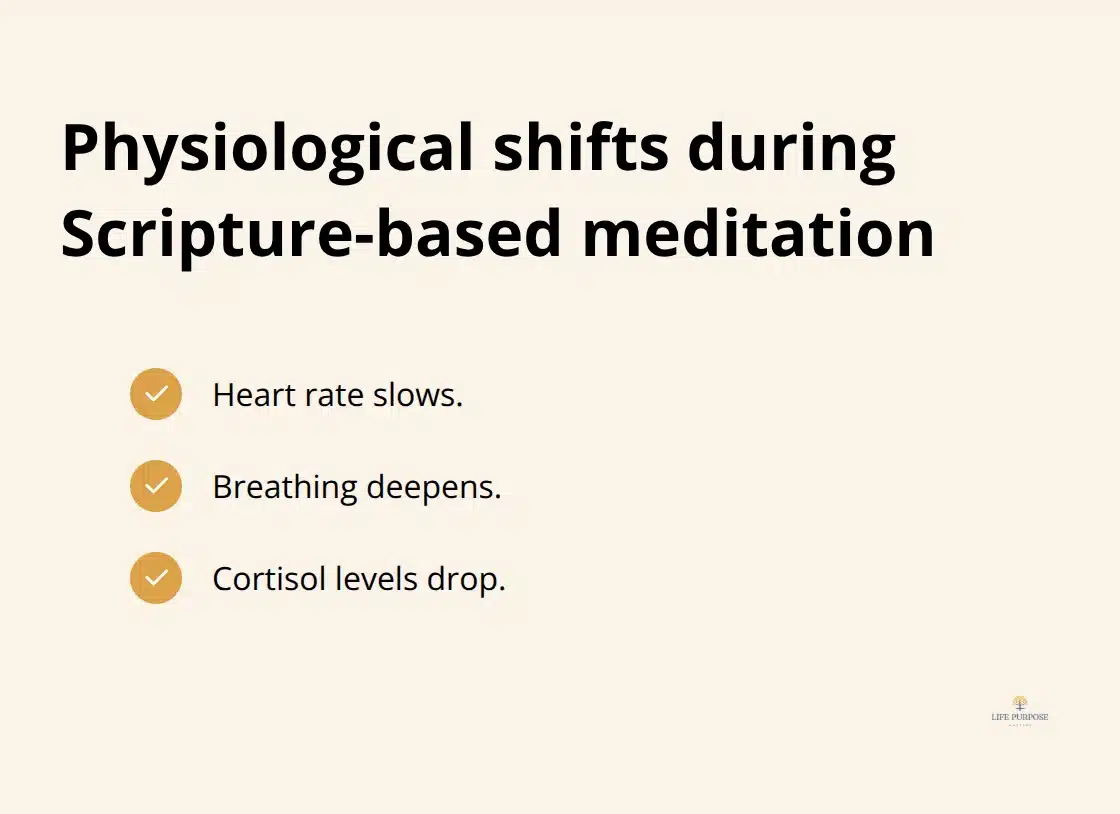
The science behind Christian meditation for sleep isn’t mystical or complicated. When you practise Scripture-based meditation before bed, your parasympathetic nervous system activates. This is your body’s natural brake pedal. Your heart rate slows, your breathing deepens, and cortisol levels drop. According to research, individuals with mild to chronic insomnia reported better sleep after practising guided Christian meditation. That’s not a coincidence.
When you focus your mind on God’s truth instead of your worries, your brain literally shifts into a different state. The racing thoughts that kept you awake lose their grip. Your body interprets safety and trust as signals to rest, and sleep becomes possible again. This isn’t about positive thinking or wishful meditation. It’s about how your nervous system responds when you genuinely hand over your anxieties to God through intentional practise.
Faith changes your sleep architecture.
Here’s what separates Christian meditation from generic sleep apps. When you meditate on Psalm 127:2, which states that God gives sleep to His beloved, your mind isn’t just relaxing. You actively shift from a state of control to a state of surrender. Research showed that people with mild to chronic stress reported that Christian meditation reduced their stress. Matthew 11:28 promises rest for the weary, and when you meditate on that verse before bed, you’re not just reading words. You invite your nervous system to believe that rest is available to you right now. The 4-7-8 breathing technique pairs perfectly with this. Inhale for 4 counts, hold for 7, exhale for 8. This pattern calms your system while you anchor your thoughts to Scripture. Psalm 121 works exceptionally well for this because it emphasises God’s watchful care over you through the night. As you practise this combination of breathing and scriptural reflection, your body learns that nighttime means safety, not vigilance.
The practical shift from worry to trust
Most people fail at sleep meditation because they try to empty their minds. That doesn’t work. Christian meditation offers your mind something to hold onto instead. When anxious thoughts surface during your bedtime routine, you have a specific anchor. Rather than fighting the thoughts, you let them rest and invite God’s truth to settle in your spirit. The Abide app offers over 2,000 full-length meditations and 300-plus bedtime stories specifically designed for this. Users access guided sessions ranging from 2 to 15 minutes, which means you adapt the practise to your actual schedule, not some idealised version of yourself. The combination of Scripture reading, reflection, and responding in prayer reflects patterns that Christians have used for centuries. What’s changed is that guided meditations now make this accessible at 10 PM when you’re already in bed.
Your sleep space sets the foundation.
Your sleep environment matters more than most people realise. A tidy, uncluttered room has been associated with better sleep in studies. Soft lighting in the evening helps your body recognise that wind-down time is happening. Comfortable bedding and sleepwear aren’t luxuries-they’re part of the foundation that allows your nervous system to actually receive the benefits of your meditation practise. When you combine a calm physical space with Scripture-based breathing and prayer, you create conditions where rest becomes natural rather than forced. This integration of environment and spiritual practise prepares you for the techniques we’ll explore next.
Three Techniques That Actually Work for Sleep
The difference between knowing Christian meditation helps and actually practising it comes down to having a concrete method you can execute tonight. Vague advice about breathing and prayer won’t help you at 11 PM when your mind won’t shut off. What works is a specific technique paired with Scripture that your nervous system recognises and responds to.
The 4-7-8 Breathing Pattern With Biblical Anchors
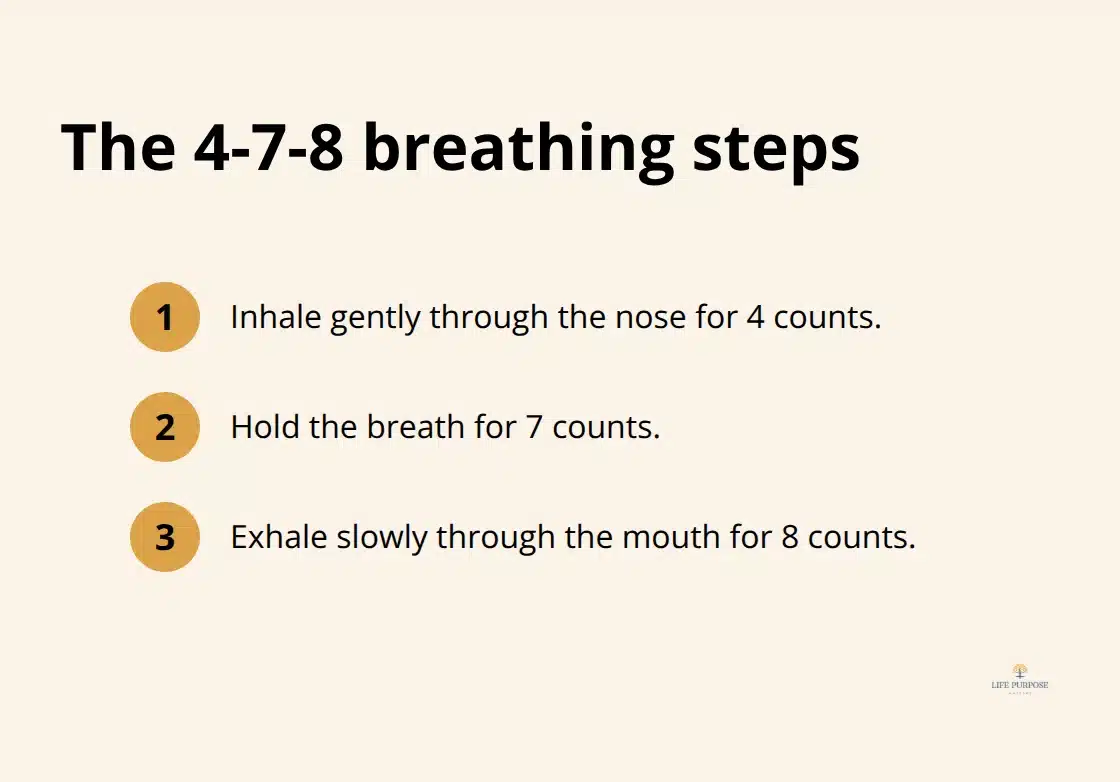
The 4-7-8 breathing pattern, combined with biblical anchors, gives your mind something to grip while your body shifts into rest mode. You inhale for four counts through your nose, hold that breath for seven counts, then exhale for eight counts through your mouth. The extended exhale activates your parasympathetic nervous system more effectively than any relaxation app.
As you practise this pattern, anchor each breath cycle to a specific verse. Psalm 121 pairs particularly well because its promises of God’s watchful care align perfectly with the rhythm. You inhale on “God is my help,” hold on the promise of protection, exhale on “I will sleep in peace.” Most people find this technique works within three to five nights of consistent practise. The Abide app guides this exact process with meditations ranging from two to fifteen minutes, so you don’t have to construct it yourself.
Praying the Psalms Before Bed
The practise of praying the Psalms before bed transforms how your mind approaches nighttime. Rather than a generic prayer, you select one Psalm that addresses what’s actually keeping you awake. If worry dominates your thoughts, Psalm 91 frames God as your shelter and refuge. If you’re exhausted from the day’s demands, Matthew 11:28 invites the weary to find rest in Jesus. If anxiety about tomorrow surfaces, Psalm 3:5 reminds you that God sustains you through the night.
You read your chosen passage slowly, either silently or aloud, then pause and reflect on one specific promise within it. Don’t rush this. You spend three to five minutes letting the words settle rather than moving quickly to the next step. This reflection period is where your mind actually shifts from problem-solving mode to trust mode. Biblical wisdom deepens this practise by showing how timeless insights apply to your specific struggles.
Visualisation of God’s Protective Presence
Visualisation follows naturally after this reflection. You close your eyes and imagine God’s protective presence surrounding you physically. This isn’t abstract spirituality. Christian meditation research shows measurable benefits for sleep and stress reduction, and visualisation deepens that effect because it engages your sensory imagination.
You picture God’s hands steadying you, His peace settling over your shoulders, His nearness replacing the weight of your worries. Some people visualise Psalm 121’s imagery of God watching over you through the night; others sense Christ’s presence at your bedside. The specific image matters less than the felt experience of safety it creates. Gratitude and contentment enhance this visualisation by training your heart to recognise God’s goodness even in restless moments.
Making These Techniques Stick
You practise this three-part sequence for seven consecutive nights before expecting measurable change. Your nervous system needs repetition to recognise the pattern and respond accordingly. After a week of consistent practise, most people report falling asleep faster and sleeping more deeply than before. This foundation of breathing, Scripture reflection, and visualisation prepares you to explore how you can build these techniques into a complete bedtime spiritual routine that fits your actual life.
Building Your Nightly Spiritual Practise
The moment you finish reading the visualisation technique from the previous section, you might feel motivated to start tonight. That impulse is good, but rushing into a new sleep routine without structure almost guarantees you’ll abandon it within days. The real success comes from designing a practice that fits your actual life, not some idealised version where you have thirty minutes of uninterrupted silence at 9 PM.
Choose Your Time and Stick to It
Start with a specific time, ideally thirty to forty minutes before bed, when you’ll begin your routine. This gives your nervous system enough time to shift gears without keeping you awake if the practice energises you initially. Most people find that 10 to 10:30 PM works better than earlier evening times because it aligns with natural melatonin production. Consistency matters far more than duration.
Set a phone reminder for your chosen time so the routine becomes automatic rather than something requiring willpower each evening.
Prepare Your Physical Space
Your space needs minimal adjustment. A tidy, uncluttered room genuinely supports better sleep according to research, so spend fifteen minutes clearing surfaces and removing items that trigger mental to-do lists. Soft lighting is essential-dim your overhead lights thirty minutes before meditation and use a single lamp or bedside light that creates a calm atmosphere without brightness that suppresses melatonin production.
Comfortable bedding and sleepwear complete the foundation (this isn’t about luxury; it’s about removing physical discomfort as a distraction from your spiritual practice). These environmental shifts signal to your body that rest is coming.
Use Guided Meditations as Your Framework
Rather than constructing your own meditation from scratch at night when you’re already tired, guided sessions handle the framework while you focus on the spiritual surrender. Download a meditation app and select a two-minute session for your first week if you’re new to meditation. Gradually extend to five or ten minutes as the practise becomes familiar. This approach removes the burden of creating something perfect and lets you concentrate on what matters: connecting with God’s presence as you prepare for rest.
Track Your Results Over Two Weeks
Track your sleep quality for two weeks using a simple note on your phone, record how long you took to fall asleep and how you felt upon waking. This data shows whether your nervous system is actually responding to the practise or whether you need to adjust your technique (most people discover patterns they didn’t expect). After fourteen days of consistent practise, you’ll have concrete evidence of whether this routine works for your specific sleep patterns, and that evidence motivates you to continue far more effectively than general advice about faith and rest ever could.
Final Thoughts
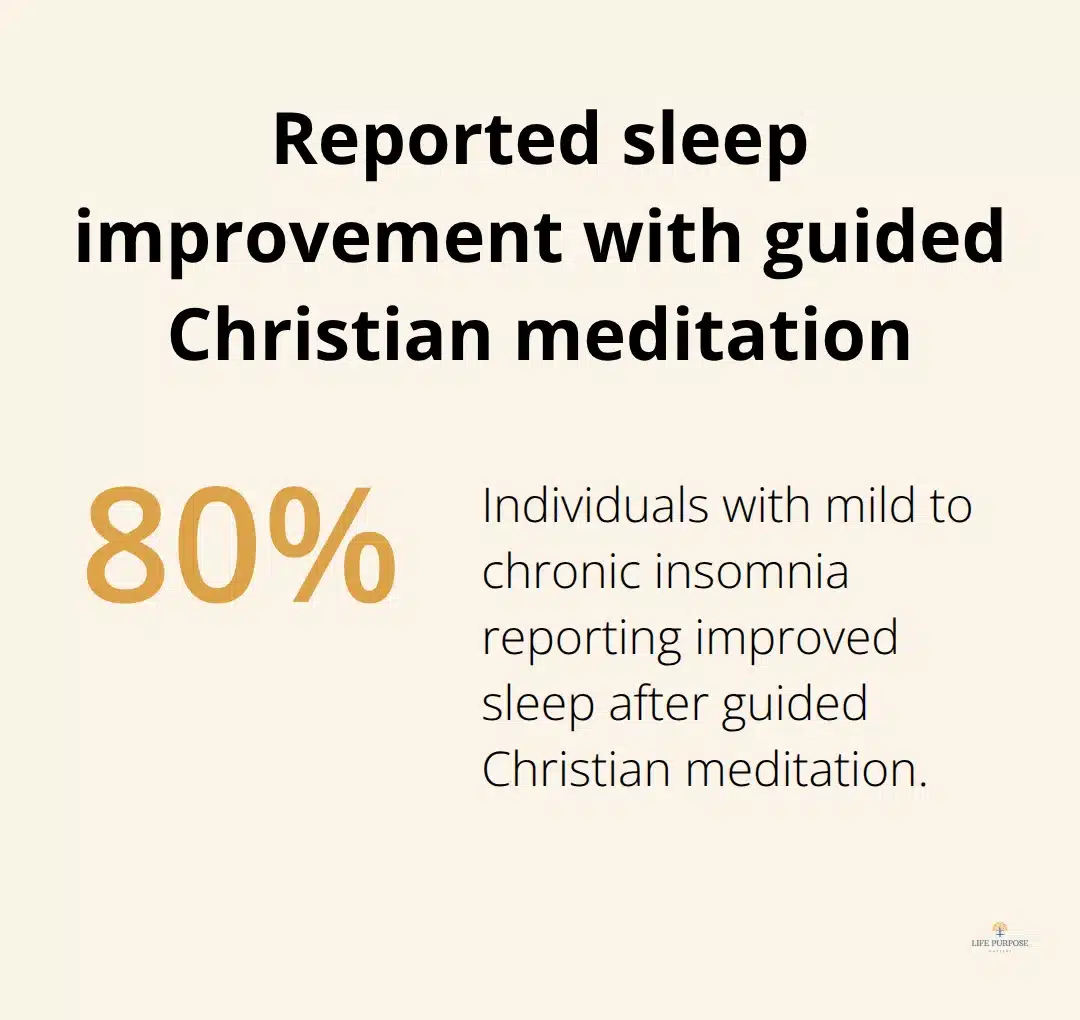
Christian meditation for sleep transforms your relationship with rest the moment you hand your nighttime anxiety to God instead of wrestling with it alone. The techniques you’ve practised-the 4-7-8 breathing anchored to Scripture, reflection on Psalms, and visualisation of God’s protective presence-train your nervous system to recognise safety and your spirit to experience trust. Eighty per cent of individuals with mild to chronic insomnia reported better sleep after practising guided Christian meditation, and that shift happens because your body learns that nighttime means you’re held by God, not abandoned to your worries.
Starting tonight, you need only fifteen minutes, a quiet corner, and a willingness to let God’s peace settle over you as you prepare for rest. Pick one Psalm, practise one breathing technique, visualise one image of God’s presence, and repeat for seven nights (track what changes in your sleep quality). This consistency matters far more than perfection, or elaborate meditation spaces, and your nervous system responds to the truth you meditate on rather than the circumstances surrounding your practise.
We at Life Purpose Matters believe that discovering your God-given purpose includes learning to rest well, to trust deeply, and to experience the peace Christ promised. If you’re ready to explore how faith transforms every area of your life, visit Life Purpose Matters for resources designed to help you integrate your faith more fully into daily living.