

I once met someone who prayed every morning but felt completely disconnected from God by noon. She knew all the right words, attended church faithfully, yet something vital was missing. That gap between belief and experience is exactly what we at Life Purpose Matters want to address in this post.
Spirit-filled living isn’t about perfecting your theology or checking boxes on a spiritual checklist. It’s about genuinely encountering God’s presence and letting that transform how you think, decide, and treat others.
What Spirit-Filled Living Actually Means
The Holy Spirit as Your Active Companion
The Holy Spirit isn’t some abstract force you experience once at conversion and then file away in your spiritual memory. The Spirit is a person-the Helper, the Counsellor, the one who comes alongside you-and His primary job right now is to remain active and present in your daily decisions, struggles, and victories. When you walk in Spirit-filled living, you don’t just believe correct doctrine about God; you actually encounter His presence moment by moment. Romans 8:9 makes this clear: if the Spirit of God dwells in you, you belong to Christ. That’s not a past tense event. That’s an ongoing reality that reshapes how you approach Tuesday morning at work, how you respond when someone cuts you off in traffic, and how you spend your free time.
The Gap Between Knowing About God and Knowing God
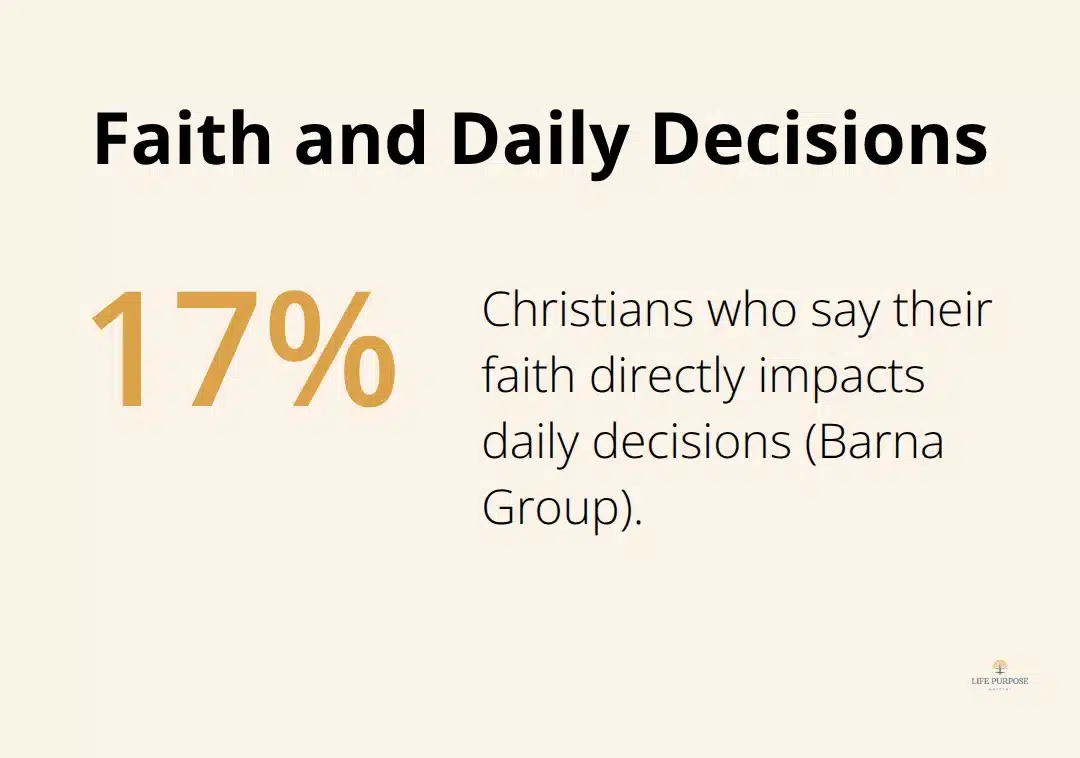
Most people get stuck in the gap between intellectual belief and experience because they treat their faith as a Sunday activity rather than a lifestyle. They know about God the way you know about a historical figure, but they don’t know God the way you know a close friend. Spirit-filled living closes that gap by anchoring your faith in God’s trustworthiness rather than your feelings or circumstances. According to research from the Barna Group, only 17% of Christians say their faith directly impacts their daily decisions, which means the vast majority live disconnected from the power available to them.
How Spirit-Filled Living Transforms Your Relationships
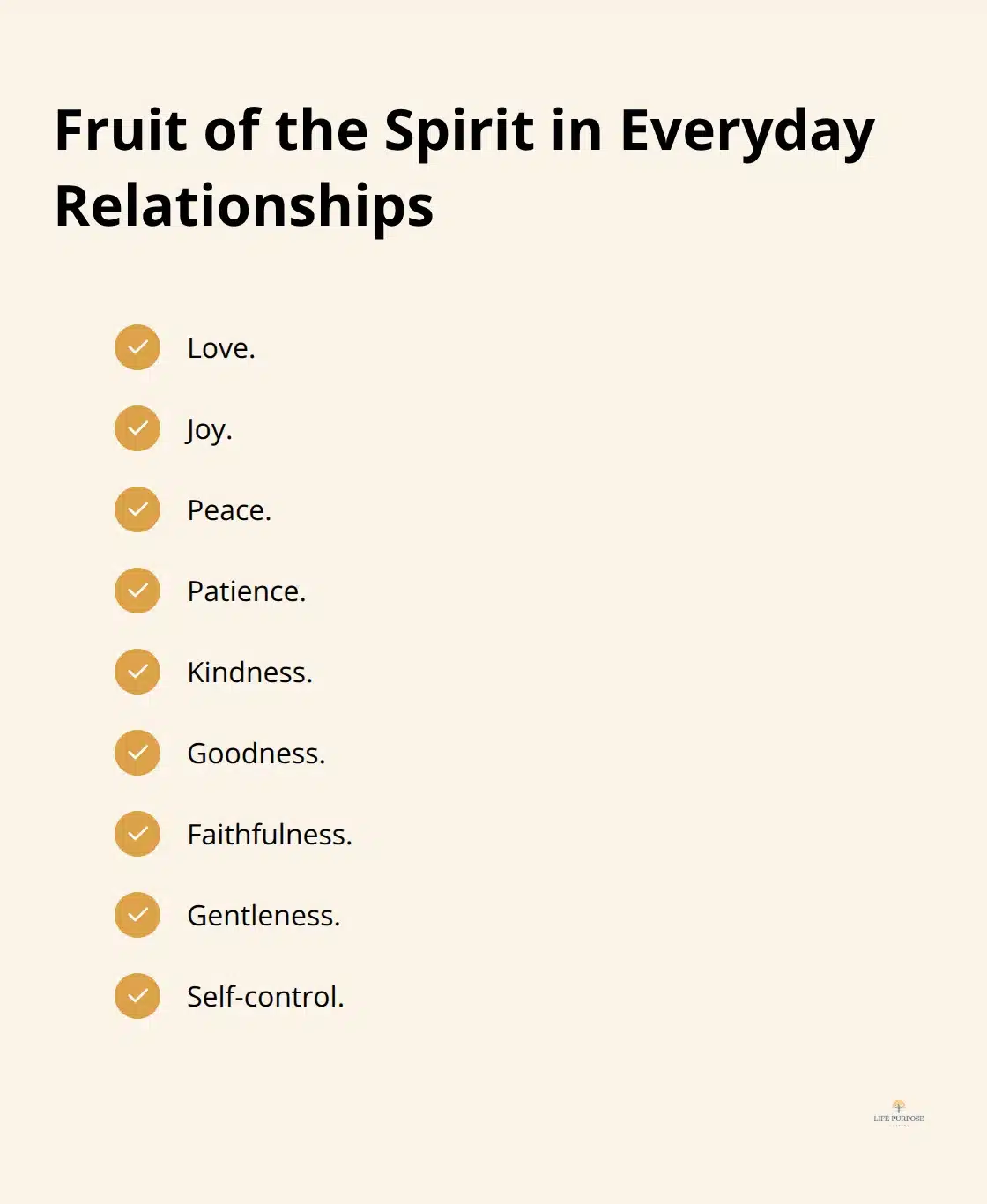
Spirit-filled living transforms how you relate to others because you stop depending on your own strength to be patient, kind, or forgiving. When the Holy Spirit actively leads you, the fruit of the Spirit-love, joy, peace, patience, kindness, goodness, faithfulness, gentleness, and self-control-starts showing up naturally in your relationships. You don’t white-knuckle your way to being a better person; you allow God’s power to work through you. This changes everything about your marriage, your parenting, your friendships, and your workplace relationships.
How Spirit-Filled Living Reshapes Your Decisions
Your decisions shift when you walk in spiritual power. Instead of making choices based purely on logic, profit margins, or what makes you look good, you start asking whether your decisions align with God’s character and His direction for your life. You don’t just try harder; you surrender to a power greater than yourself and let that power guide your steps. That’s fundamentally different from self-improvement, and it produces lasting results. This shift from self-reliance to Spirit-reliance is exactly what separates people who merely profess faith from those who actually live it out, and it’s what we explore next as we look at the practical ways you can cultivate this kind of life.
How to Actually Practise Spirit-Filled Living
Most people fail at Spirit-filled living not because they lack desire but because they treat it like an aspiration rather than a practice. You wouldn’t expect to get fit by thinking about exercise; you’d actually work out. The same applies here. Spirit-filled living requires deliberate, consistent actions that create space for God’s presence to work in your life.
Prayer That Moves Beyond Requests
Start with a prayer that moves beyond reciting requests. Instead of rattling off a list of wants each morning, spend time in honest conversation with God about what’s actually happening in your life. Tell Him about your frustrations, your doubts, your victories. Research shows that certain forms of prayer correlate with meaningful spiritual outcomes when practised with genuine intention.
Set a specific time each day-even fifteen minutes-and protect it fiercely. Morning works best for most people because your mind hasn’t been cluttered with the day’s chaos yet. During this time, alternate between speaking to God and sitting in silence, genuinely listening for His direction. This isn’t mystical or complicated; it’s simply making yourself available.
Worship That Connects You Emotionally
Pair your prayer practice with worship that connects you emotionally to God’s character. Worship doesn’t require a band or a church building. Listen to music that moves your spirit, sing in your car, read psalms aloud-whatever helps you acknowledge God’s greatness and your dependence on Him. The goal is to shift your emotional state from self-focus to God-focus, which actually rewires how your brain processes decisions throughout the day.
Scripture Reading With Real Intention
Scripture reading works the same way when you stop treating it like a religious obligation. Instead of speed-reading through chapters to check a box, choose one passage and sit with it. Read it multiple times. Ask yourself what it reveals about God’s character, what it challenges in your current thinking, and how it applies to a specific situation you’re facing right now. The Jesus-centred approach matters here: every passage ultimately points to Christ’s person and work, so ask yourself how it connects to what Jesus did for you. This takes maybe ten minutes but transforms Scripture from ancient text into active guidance.
Physical Space and Digital Boundaries
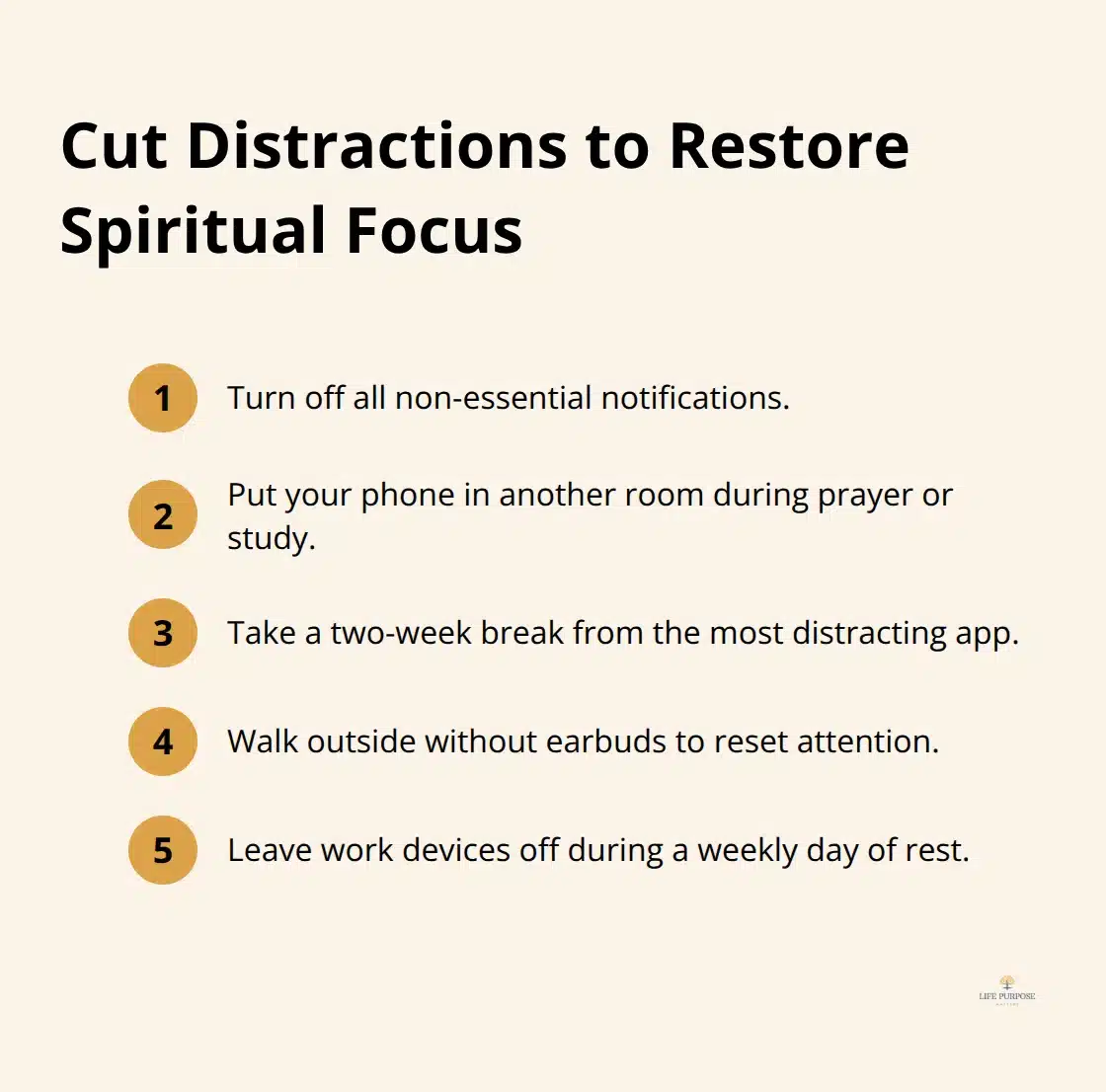
Create actual space in your physical environment for God’s presence, too. This doesn’t mean building a shrine; it means designating a quiet corner, putting your phone in another room, and eliminating digital noise for set periods. Research shows that constant notifications reduce your ability to focus on anything meaningful. Your brain literally cannot attend to God’s presence if it gets pinged by social media every thirty seconds.
Walk outside without earbuds. Sit in your car before work and think about one decision you’re facing. During lunch, don’t scroll-instead, think about how your morning interactions reflected God’s character or didn’t. These aren’t elaborate spiritual exercises; they’re simply choosing presence over distraction, which is where actual transformation happens. The practices you establish now become the foundation for recognising how the Holy Spirit actively guides your life direction.
Overcoming Obstacles to Walking in Spiritual Power
Doubt creeps in quietly. You pray for direction, nothing happens immediately, and suddenly you question whether God actually hears you. Fear follows close behind-fear that you lack sufficient spirituality, fear that you’ll fail too badly for God to work through you, fear that this whole thing won’t actually change anything. These aren’t character flaws or signs of weak faith. They’re obstacles that nearly everyone encounters, and they’re far easier to overcome when you understand what’s actually happening.
How Doubt and Fear Block Your Path
Doubt and fear work together to convince you that Spirit-filled living belongs to other people, people who have it figured out, people without complicated histories. The truth cuts deeper: doubt and fear often signal that you’re taking this seriously enough to question whether you’re doing it right. The solution isn’t to eliminate doubt-that’s impossible-but to stop letting doubt become your decision-maker.
When doubt shows up, acknowledge it directly. Tell God you’re uncertain. Ask Him to show you evidence of His presence in the past month, the past year. Most people can identify at least three moments where God clearly worked, but they dismiss those moments as coincidences. Write them down. Review them when doubt returns. This isn’t positive thinking; it’s anchoring your faith in actual events rather than feelings.
The Real Cost of Constant Distraction
Distractions and spiritual apathy are different enemies entirely, and they’re winning. The average person checks their phone 96 times per day, according to research from Asurion, which means you fragment your attention constantly. You cannot simultaneously remain open to God’s presence and scroll through social media.
Spiritual apathy-that numb, going-through-the-motions feeling-develops because your brain exhausts itself from constant stimulation. You’ve trained yourself to expect novelty every few seconds, so sitting quietly with God feels boring by comparison.
The fix requires radical honesty: you need to identify which specific activities drain your spiritual awareness. For some people, it’s news consumption. For others,s it’s entertainment or work stress that bleeds into evening hours. Notice when you feel most disconnected from God, then trace backwards to what you were doing the hour before. Cut that thing out for two weeks completely. Not reduced. Eliminated. You’ll be shocked at how quickly your spiritual sensitivity returns when you stop competing for your own attention.
How to Reset When You Feel Disconnected
When you feel disconnected from God, the instinct is to try harder-more prayer, more Bible reading, more church attendance. This approach fails because disconnection often signals you need to stop, confess what’s actually blocking you, and reset. Sin grieves the Holy Spirit according to Ephesians 4:30, which means unconfessed wrongdoing creates spiritual static. Maybe you treated someone poorly. Maybe you made a decision you knew contradicted God’s character. Maybe you harbour resentment or pride.
Confess it specifically to God, not vaguely. State exactly what you did and why it was wrong. Then ask the Holy Spirit to fill you again-not because He left, but because you’re removing the obstruction. This takes ten minutes and works far better than increasing your spiritual effort.
If disconnection persists after confession, you might simply be spiritually depleted. Rest matters. God rested on the seventh day,y not because He was tired but to establish rhythm. Take a full day away from work and devices. Spend time in nature without purpose. Let your nervous system calm down. Spirit-filled living isn’t a performance you maintain through sheer willpower; it’s a sustainable relationship that requires you to actually take care of yourself physically and mentally.
Final Thoughts
Spirit-filled living stops being theoretical the moment you start living it out. When you walk in spiritual power, your life direction becomes clearer because you no longer make decisions in isolation-you consult the one who actually knows the outcome. This doesn’t mean God hands you a detailed roadmap; it means you develop sensitivity to His guidance through prayer, Scripture, and the counsel of mature believers, and over time, this becomes your normal operating system instead of something you have to think about.
Your gifts and talents transform,m too, when the Holy Spirit redirects them toward purpose. A teacher becomes a conduit for God’s truth, a parent shapes souls, and a business owner creates space where people experience dignity and fairness. Spirit-filled living reframes your abilities from personal assets into offerings that serve God’s purposes in the world. People notice when someone actually lives out their values instead of just talking about them, and this shift from self-advancement to service-orientation changes everything about how you approach your work and relationships.
If you’re ready to explore this deeper, Life Purpose Matters stands ready to support your journey with resources and encouragement designed to help you integrate your faith more fully into daily life. We walk alongside you as you step into the power and presence available to you right now.