
![Your Complete Tithing Guide [2025]](https://lifepurposematters.com/wp-content/uploads/emplibot/tithing-guide-hero-1764342606.webp "tithing-guide-hero-1764342606")
Sandy stared at her pay cheque, calculator in hand, wondering if she should tithe on her gross or net income. The question had kept her awake for weeks! Sandy is not alone here; many Christians face this same dilemma when starting their giving journey. Tithing can be difficult for some Christians due to a combination of financial anxieties, the challenge of surrendering an ownership mentality of one’s income, and complex or conflicting biblical interpretations regarding the practice’s relevance and requirements today.
At Life Purpose Matters, we believe in tithing, and we have therefore created this comprehensive tithing guide to answer your most pressing questions about biblical giving. Whether you’re new to tithing or looking to refine your approach, this guide covers everything from calculating your tithe to managing giving during financial challenges.
What Is Tithing and Why Does It Matter?
Biblical Foundation and Old Testament Origins
Tithing comes from the Hebrew word ma’aser, which means one-tenth. Abraham gave Melchizedek a tenth of his spoils in Genesis 14, which established the earliest biblical precedent for this practice. The Mosaic Law made this requirement official and required Israelites to give 10% of their agricultural produce to support the Levites (who had no land inheritance).
In a nutshell. tithing is the practice of giving a tenth (10%) of one’s income or produce, rooted in Old Testament law for supporting worship, priests, and people whose income is below the poverty threshold, but in today’s Christianity, it’s viewed more as an act of worship, building faith, and trusting God to provide, moving from legal obligation to a principle of generous giving. It matters because it’s seen as declaring God as the ultimate master, not money, fostering generosity, supporting the church’s mission, and practising sacrificial love.
Malachi 3:8-12 contains God’s strongest language about this practice. The passage calls those who withhold their tithe “robbers” and promises that God will “open heaven’s windows” for faithful givers. This Old Testament foundation shows that God views financial faithfulness as a serious matter of obedience.
New Testament Perspective on Giving
Jesus addressed this practice directly in Matthew 23:23, where he emphasized its importance while he emphasized justice and mercy. Paul’s teachings in 2 Corinthians 9:7 shift the focus from mere obligation to cheerful hearts, as he states that “God loves a cheerful giver.”
The early church practised radical generosity that went beyond the traditional 10%. Acts 2:44-47 records how believers sold possessions to meet community needs. This New Testament approach emphasizes the heart behind the gift rather than strict percentage requirements.
Modern Christian Understanding of Tithing
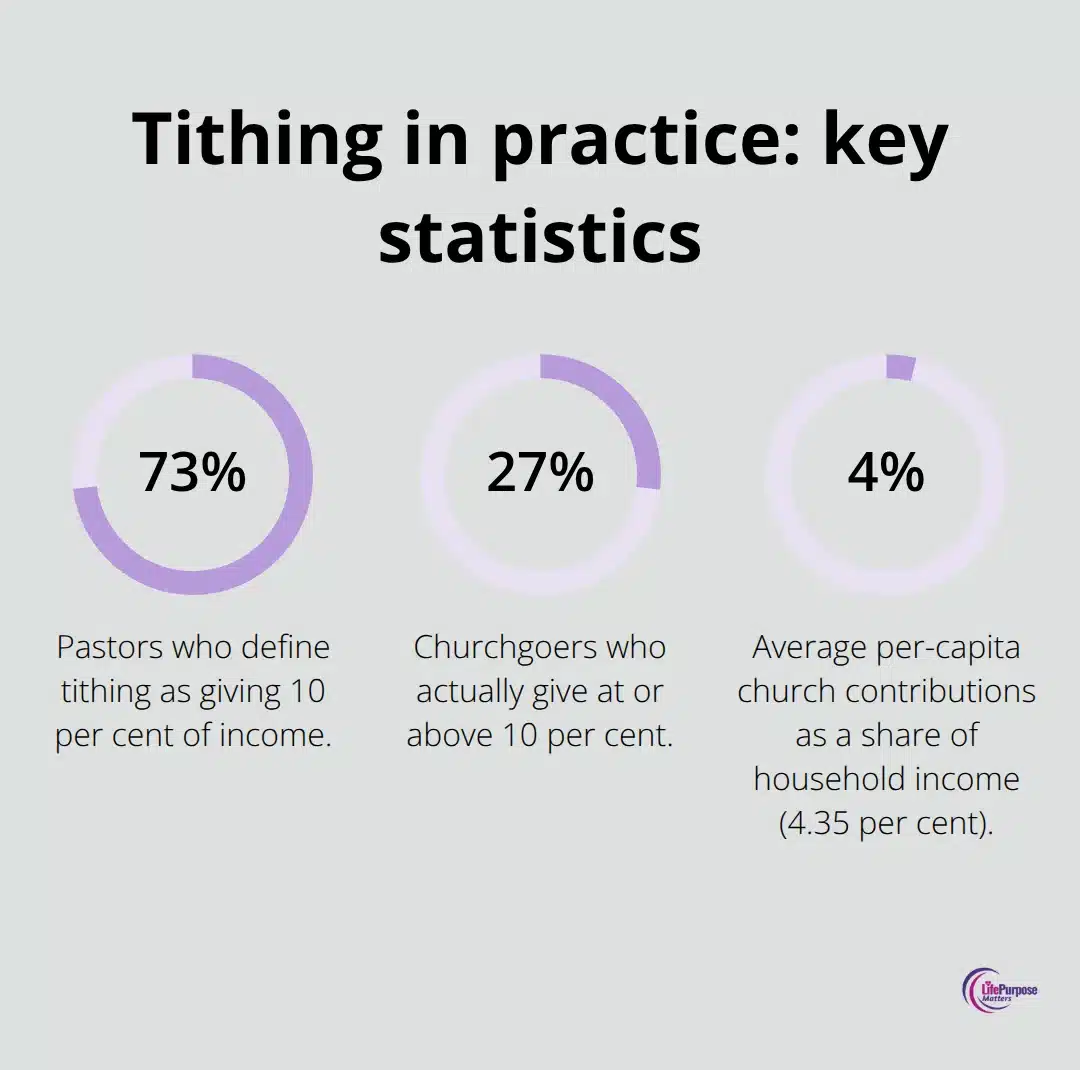
A 2018 LifeWay Research study found that 73 per cent of pastors who say tithing is still a biblical command define tithing as giving 10 per cent of a person’s income. However, only 27% of churchgoers actually give at or above 10% of their income. Average per-capita church contributions sit at just 4.35 per cent of household income in 2022.
The Seventh-day Adventist Church and The Church of Jesus Christ of Latter-day Saints maintain strict 10% requirements. Catholic and most Protestant denominations encourage proportional contributions based on individual ability. Many churches now promote “storehouse” practices, which prioritise local church support before other charitable contributions.
Digital methods have revolutionised how people give. Today, 98% of churches offer online options, and 55% of donors prefer mobile apps for their contributions. This shift makes consistent financial faithfulness more convenient than ever before.
Now that you understand the biblical and modern foundations of this practice, let’s explore the practical aspects of how to calculate and give your tithe effectively.
How to Calculate and Give Your Tithe
Gross vs Net Income Decision
The gross versus net income debate affects your actual contribution amount significantly. If you earn $50,000 annually, you contribute $5,000 per year on gross income, while net income creates only $3,500 after taxes and deductions. Most financial advisers who work with Christian clients recommend the gross income approach because it honours God with your first fruits before any deductions.
The Church of Jesus Christ of Latter-day Saints specifically teaches members to calculate on gross income, and many evangelical pastors support this position. However, some denominations allow flexibility based on personal circumstances and financial obligations. Prayer and personal conviction should guide your decision when denominational guidance remains unclear.
Automated Transfer Systems
Automatic transfers eliminate the monthly decision-making process and create consistent habits. Most banks offer free recurring transfers that move your contribution amount to a separate savings account on pay day. Popular church management software like Planning Center and Pushpay allow you to schedule recurring donations directly to your church.
Research shows that churches with automatic options see higher overall donations compared to cash-only congregations. Mobile apps like Givelify and Tithely make smartphone contributions possible within seconds. For irregular income earners, percentage-based automatic transfers work better than fixed amounts because they adjust with your actual earnings.
Digital and Alternative Methods
Stock donations provide significant tax advantages for appreciated securities while supporting your church’s mission. Many churches now accept cryptocurrency through platforms like Engiven and BitPay (though this method requires careful tax record maintenance). Time and skill donations count as modern alternatives when calculated at fair market rates.
Professional services like accounting, legal work, or marketing can be valued and contributed as part of your 10% commitment. Some families combine cash contributions with volunteer hours, and they calculate their professional hourly rate to determine equivalent monetary value. Digital methods now represent a significant portion of all church contributions.
These practical calculation methods prepare you for the real-world challenges that many Christians face when financial pressures create difficult decisions about faithful contributions.
Common Tithing Questions and Concerns
What to Do When Finances Are Tight
Financial hardship creates the most challenging decisions about faithful contributions, but these situations require wisdom rather than abandonment of biblical principles. When money gets tight, prioritise basic needs like housing, food, and utilities first, then contribute whatever amount you can manage consistently. Start with 1% or 2% of your income and increase gradually as your financial situation improves.
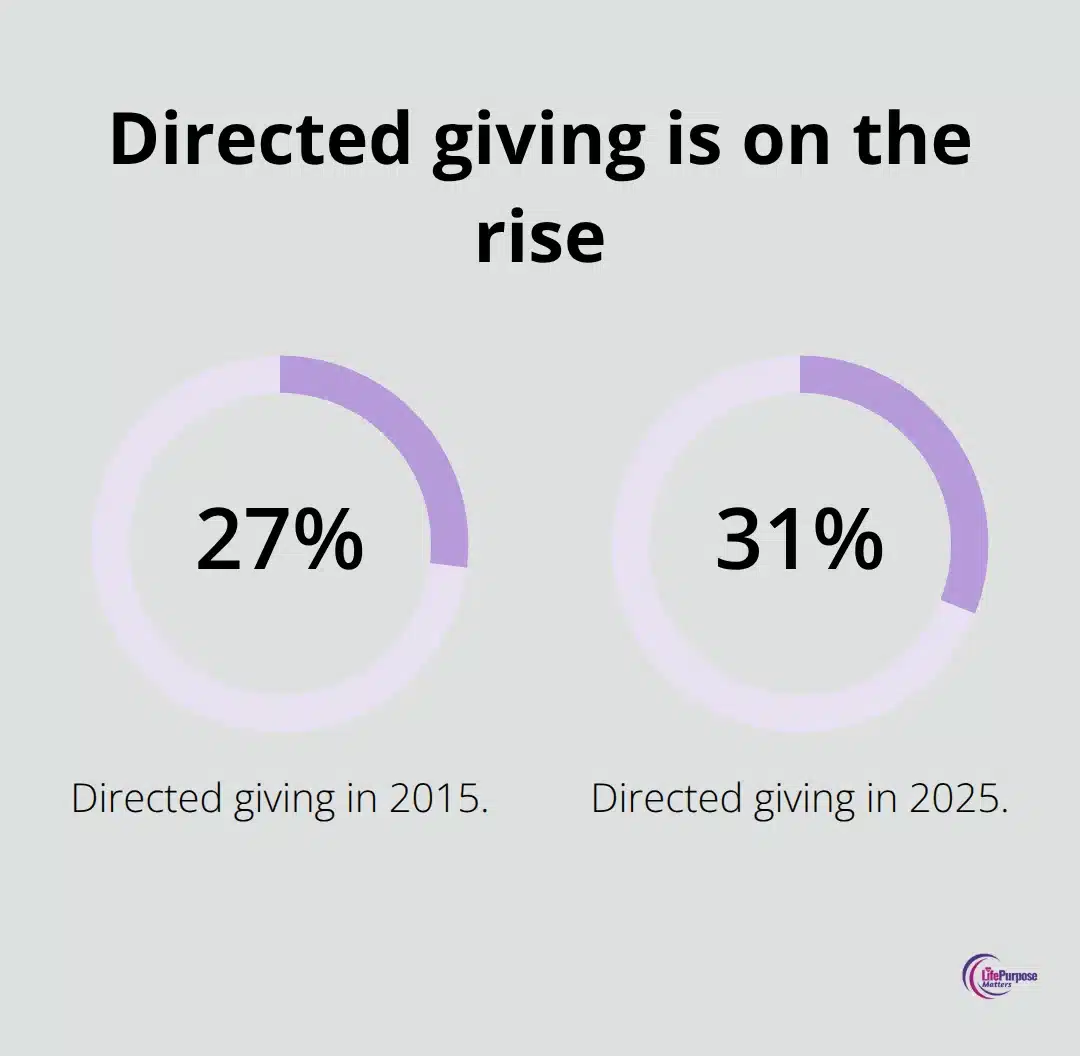
Research from Vanco shows that directed giving increased from 27% in 2015 to 31% in 2025, demonstrating how givers adapt their contribution strategies during challenging times. Many churches understand these challenges and offer financial counselling to help members navigate difficult seasons while maintaining their spiritual commitments.
Tithing While Paying Off Debt
Debt repayment and contributions can coexist with proper planning and realistic expectations. Credit card debt with 18% interest rates demands immediate attention, but student loans at 4% interest allow more flexibility for simultaneous charitable contributions. Create a written budget that allocates percentages to debt reduction and church support based on your specific interest rates and monthly obligations.
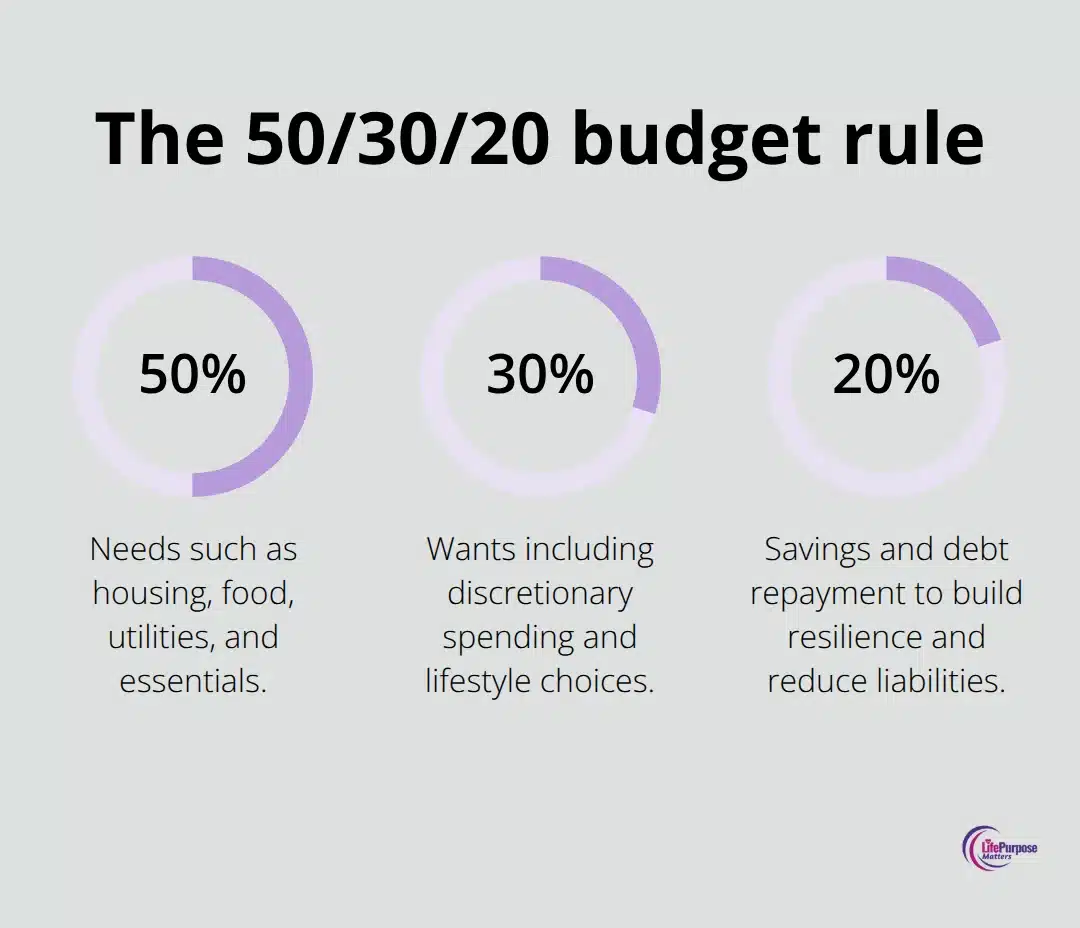
Many financial counsellors recommend the 50/30/20 budget: 50% for needs, 30% for wants, and 20% for savings and debt repayment. This framework provides structure while you work toward both financial freedom and faithful stewardship, allowing you to adjust charitable contributions within your means.
How to Handle Irregular Income and Tithing
Irregular income from freelance work or commission-based jobs requires percentage-based calculations rather than fixed amounts. Calculate your annual income from the previous year and divide by 12 to establish a baseline monthly contribution, then adjust quarterly based on actual earnings.
Self-employed individuals should set aside contributions immediately when payments arrive (because waiting until month-end often leaves insufficient funds for both business expenses and church support). Consider opening a separate savings account specifically for your contributions to avoid accidentally spending these funds on other expenses.
Final Thoughts
Faithful contributions transform your spiritual journey in ways that extend far beyond financial transactions. Christians who give regularly report deeper trust in God’s provision and increased peace about their financial future. The discipline of setting aside 10% before other expenses builds character and demonstrates your commitment to putting God first in all areas of life.
You don’t need perfection from day one when you start your tithing journey. Begin with whatever percentage feels manageable, whether that’s 1%, 3%, or 5% of your income. Consistency matters more than the initial amount because regular contributions create habits that grow over time (many successful givers started small and gradually increased their contributions as their faith and finances strengthened).
God’s provision often surprises those who step out in faith with their finances. While we never give to receive, countless believers testify to unexpected blessings, job opportunities, and financial breakthroughs that followed their commitment to faithful stewardship. This tithing guide provides the practical framework, but your personal relationship with God guides the heart behind your contributions. We at Life Purpose Matters believe that generous contributions reflect your unique God-given purpose and strengthen your connection with Christian teachings.