

Natasha stared at her laptop screen at 2 AM, wrestling with a question that kept her awake: Could she really build a business that honoured both her faith and her entrepreneurial dreams? Christian entrepreneurship isn’t just about making money-it’s about stewarding God-given talents to create meaningful impact. We at Life Purpose Matters believe your business can become a powerful expression of your faith and calling. Starting a business as a Christian entrepreneur involves prioritising faith through prayer, biblical principles, and a servant-leadership mindset. Success is seen as more than just profit; it encompasses integrity, stewardship of resources, and a mission to serve others and fulfil a kingdom purpose. Key strategies include beginning the day with prayer, developing decision-making frameworks based on biblical values, and emphasising long-term growth through honesty rather than “get-rich-quick” schemes.
The path forward requires intentional steps that align your venture with biblical principles while building something sustainable and profitable.
Biblical Foundations for Christian Entrepreneurship
God’s Design for Work and Enterprise
Scripture presents work as divine design, not a human necessity. Genesis 2:15 shows God placing Adam in Eden to work and keep it, which establishes labour as a sacred calling before sin entered the world. Proverbs 31:16 describes the virtuous woman who considers a field and buys it, then plants a vineyard with her earnings. This passage reveals God’s approval of strategic business investment and entrepreneurial thinking. The parable of the talents in Matthew 25:14-30 directly endorses business growth, with the master praising servants who doubled their investments while condemning the one who buried his resources.
Stewardship and God-Given Talents
Your business skills aren’t accidents-they’re divine assignments. Romans 12:6 states that we have different gifts according to the grace given to us, and these gifts include leadership, administration, and service. When you launch a business using your God-given abilities, you fulfil biblical stewardship. The key lies in recognising that your entrepreneurial drive, problem-solving skills, and vision for innovation come from the Creator who gave you these capacities. Every successful Christian entrepreneur, from Mary Kay Ash to Dave Ramsey, built their enterprises on this foundation of stewarding divine gifts for greater purposes.
Purpose-Driven Business as Ministry
A Purpose-driven business as ministry is the concept of a for-profit company operating with a higher, faith-based purpose beyond profit, viewing itself as a form of service or witness to its community and employees. Your business becomes ministry when it serves others while honouring God. Acts 18:3 shows Paul making tents while preaching, which proves that commerce and ministry can coexist powerfully. Modern research from Barna Group indicates that 73% of practicing Christians want their work to make a positive impact on the world. Your business can provide jobs that support families, solve real problems in your community, and generate resources for kingdom work.

This approach transforms profit from selfish gain into kingdom investment (creating sustainable impact that extends far beyond quarterly earnings).
With these biblical foundations firmly established, you need practical steps to transform your faith-based vision into a thriving business reality.
How Do You Turn Your Faith Into a Business Plan?
Start With Intentional Prayer and Direction
Prayer transforms business plans from guesswork into divine partnership. Spend at least 30 minutes daily in prayer before you make major business decisions, as research shows that Christian business owners who maintain consistent prayer practices report greater clarity in strategic decisions. Write down specific questions about your business concept, target market, and financial needs, then pray over each one systematically.
Document the insights you receive during prayer time, as patterns often emerge that reveal God’s direction for your venture. Jimmy Carter’s approach to his peanut farm exemplified this principle – he consistently sought divine guidance before he expanded operations or made personnel changes.
Build Your Faith-Aligned Business Framework
Your business plan must reflect kingdom values from day one, not as an afterthought. Research shows that Christian entrepreneurs who integrate their faith into their initial business plans are more likely to maintain their values under pressure. Start with a mission statement that explicitly connects your business purpose to serving others and glorifying God.
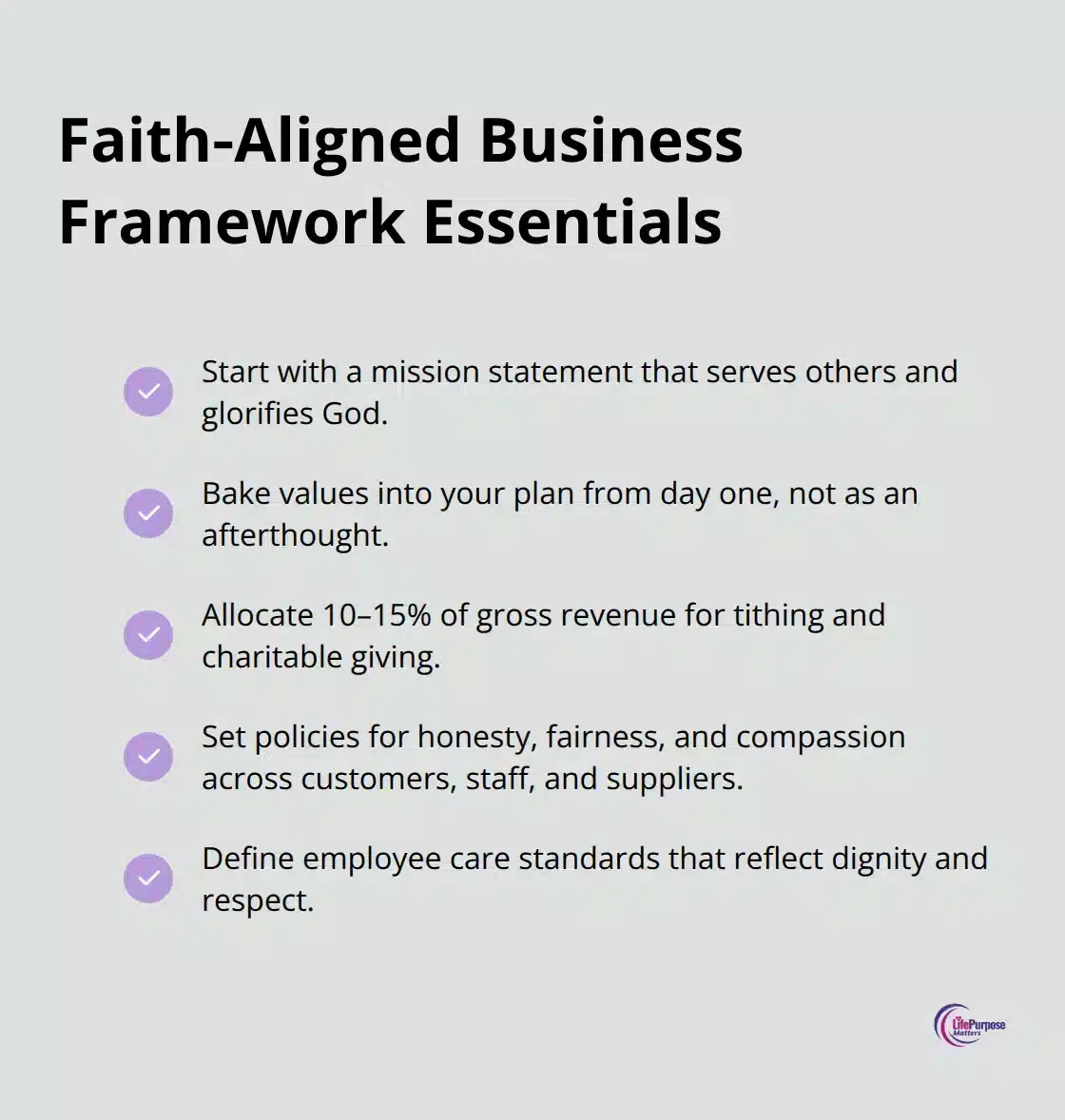
Structure your financial projections to include tithing and charitable giving as non-negotiable expenses (typically 10-15% of gross revenue). Create policies for employee treatment, customer service, and vendor relationships that mirror biblical principles like honesty, fairness, and compassion.
Connect With Faith-Based Business Resources
The Christian Business Network provides templates and resources specifically designed for faith-based entrepreneurs who want to build sustainable, profitable businesses without compromising their beliefs. These organisations offer accountability partnerships, mentorship programmes, and practical tools that help you navigate the unique challenges Christian entrepreneurs face.
Many successful Christian business owners credit their faith-based networks with providing both spiritual support and practical business guidance during their startup phase. These connections become invaluable when you face ethical dilemmas or need wisdom for complex decisions (which happen frequently in the early stages of any business).
Once you establish your prayer foundation and business framework, you need to build relationships with fellow believers who can support your entrepreneurial journey through both challenges and victories.
How Do You Live Your Faith Through Business Operations
Make Ethical Decisions Under Pressure
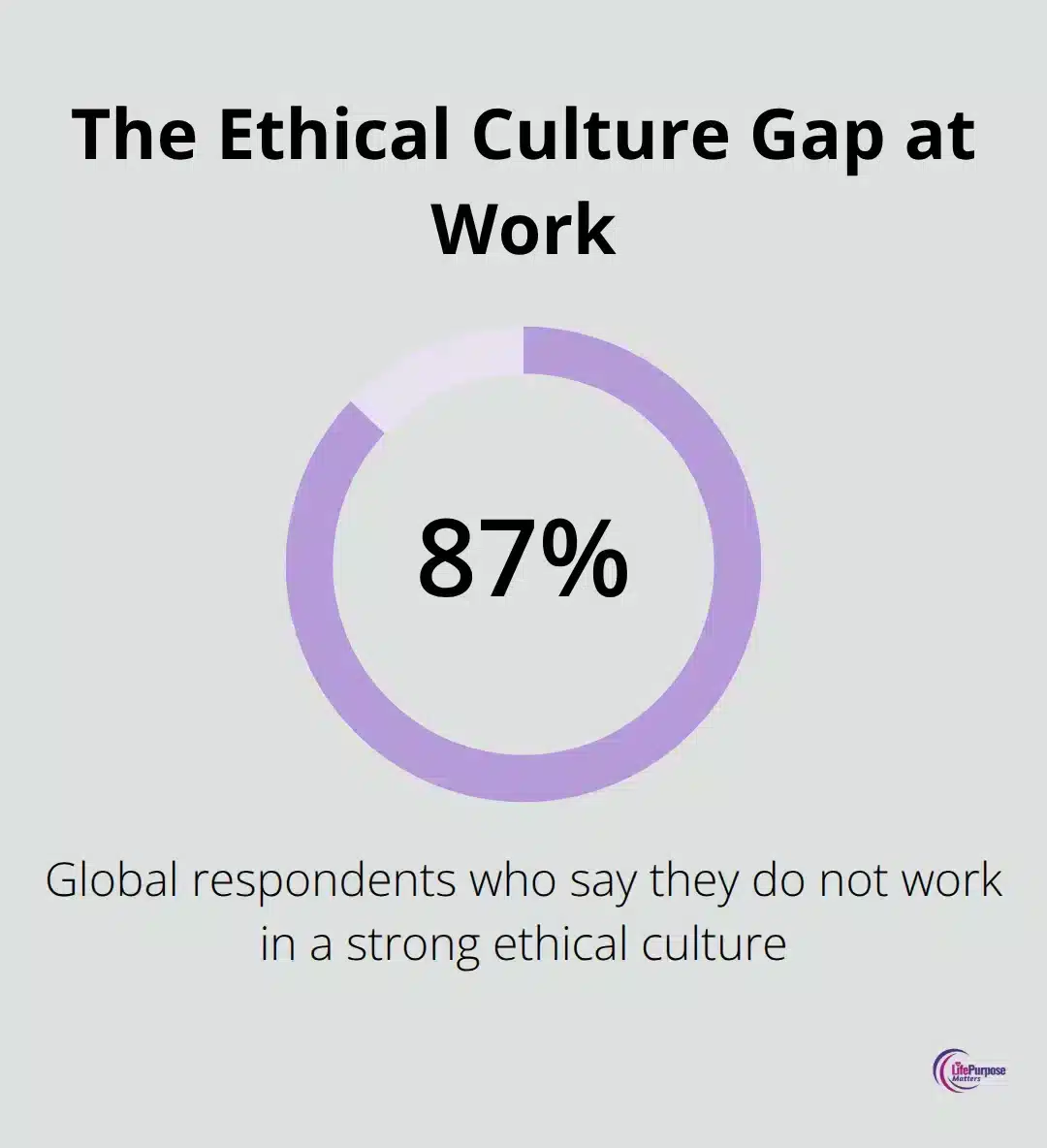
Christian business ethics require clear boundaries before you face difficult choices. Research from the Ethics and Compliance Initiative shows that 87% of global respondents indicated they do not work in a strong ethical culture. Create a written decision-making framework that addresses common scenarios: dealing with dishonest suppliers, handling customer complaints, and managing financial pressures.
When Chick-fil-A faced pressure to open on Sundays, founder Truett Cathy maintained his commitment to honouring the Sabbath. This decision ultimately strengthened customer loyalty and employee satisfaction rather than hurting profits.
Document your non-negotiable principles in writing and share them with key team members. This approach prevents compromise when financial stress mounts or competitive pressures increase. Companies that maintain ethical standards during economic downturns report higher employee retention rates and stronger customer relationships long-term.
Transform Workplace Culture Through Christian Values
Your treatment of employees reflects your faith more than any mission statement ever could. Hobby Lobby provides full-time employees with health insurance, retirement plans, and starting wages above industry standards because founder David Green believes in treating workers as valuable individuals rather than replaceable resources.
This approach results in employee turnover rates significantly below retail industry averages (which saves substantial money on recruitment and training costs).
Implement specific practices that demonstrate Christian values: provide fair wages that allow employees to support their families, offer flexible scheduling for family emergencies, and create advancement opportunities based on character and performance rather than favouritism. These policies cost more upfront but generate substantial returns through reduced hiring costs, increased productivity, and positive word-of-mouth marketing.
Create Sustainable Profit With Kingdom Impact
Balancing profit with kingdom purposes requires strategic planning, not wishful thinking. Allocate specific percentages of revenue for charitable giving, employee benefits, and community investment before you calculate profit margins. Tyson Foods dedicates significant resources to sustainability initiatives and community programmes while maintaining profitable operations across global markets.
This approach attracts customers who value corporate responsibility and creates long-term business stability that weathers economic challenges more effectively than profit-only focused competitors.
Track both financial metrics and kingdom impact metrics monthly. Measure employee satisfaction scores, customer retention rates, and community engagement alongside traditional profit indicators. Companies that monitor these comprehensive metrics make better strategic decisions and build more resilient businesses. Regular daily devotions help maintain spiritual clarity when making these important business decisions.
Final Thoughts
Christian entrepreneurship represents more than a profitable business – it answers God’s call to steward your talents for kingdom impact. Your entrepreneurial journey becomes worship when you align every decision with biblical principles and serve others through your work. The path ahead requires consistent prayer, unwavering ethical standards, and a commitment to treat employees and customers as image-bearers of God.
Success in Christian entrepreneurship isn’t measured solely by financial metrics but by the lives you impact and the kingdom work you enable through your business. Companies like Chick-fil-A and Hobby Lobby prove that Christian values strengthen rather than weaken business performance. Their examples demonstrate that faith-driven decisions create loyal customers, dedicated employees, and lasting market success (while competitors struggle with high turnover and customer dissatisfaction).
We at Life Purpose Matters believe every Christian entrepreneur has a unique call to impact their community through business. Your venture can become a powerful testimony of God’s faithfulness while it generates resources for kingdom work and provides meaningful employment for others. Connect with Life Purpose Matters to discover how your entrepreneurial vision can align with your spiritual calling and create lasting kingdom impact.