

Last Sunday, my friend Liz mentioned how she’d heard the Good Samaritan story countless times but never realised it wasn’t just about helping strangers. She wondered what else she might be missing. Jesus’ parables contain layers of meaning that often escape our first reading. Most of us, like me as a Pastor’s kid, learnt most of the parables at a very young age, and while we remember them, it’s easy to overlook some core lessons. Jesus’ parables are rich with enduring life lessons, using simple, relatable stories about farming, family, and daily life to teach profound spiritual truths about love, forgiveness, compassion, faith, stewardship, and the nature of God’s Kingdom, offering guidance for living a meaningful life today.
At Life Purpose Matters, we believe that these ancient stories hold transformative wisdom for modern challenges.
What Are We Really Missing in These Famous Stories
The Good Samaritan Challenges Our Tribal Instincts
The Good Samaritan story attacks our tribal instincts more than our charity habits. Jesus deliberately chose a Samaritan as the hero when Jews and Samaritans maintained deep ethnic hatred. First-century Mediterranean societies operated on strict ingroup-outgroup dynamics. The parable forces us to confront our unconscious biases about who deserves help based on race, politics, or social status. Modern application means we must actively help people from groups we typically avoid or judge.
The Prodigal Son Reveals Family Dysfunction
The older brother’s anger exposes the real problem in this family. He worked faithfully yet felt unloved and unappreciated. Studies show that workplace resentment stems from perceived unfairness rather than actual workload issues. The father’s response reveals how grace can trigger jealousy in rule-followers. This parable teaches us to address relationship wounds honestly rather than pretend everything is fine. Churches often focus on the wayward son while they ignore the bitter faithful child who needs healing, too.
The Talents Expose Our Risk-Aversion
The servant who buried his talent wasn’t lazy but terrified of failure. Financial research indicates that fear of loss motivates people more powerfully than potential gains. Jesus criticises safe choices rather than rewards effort. The master expects growth, not perfection. This parable demolishes the myth that God wants us to avoid risks. Modern believers often choose comfort over their calling and miss opportunities to multiply their gifts through bold action.
These deeper meanings prepare us to explore parables that most people never hear about-stories that contain equally powerful wisdom for modern life.
Which Hidden Parables Change Everything
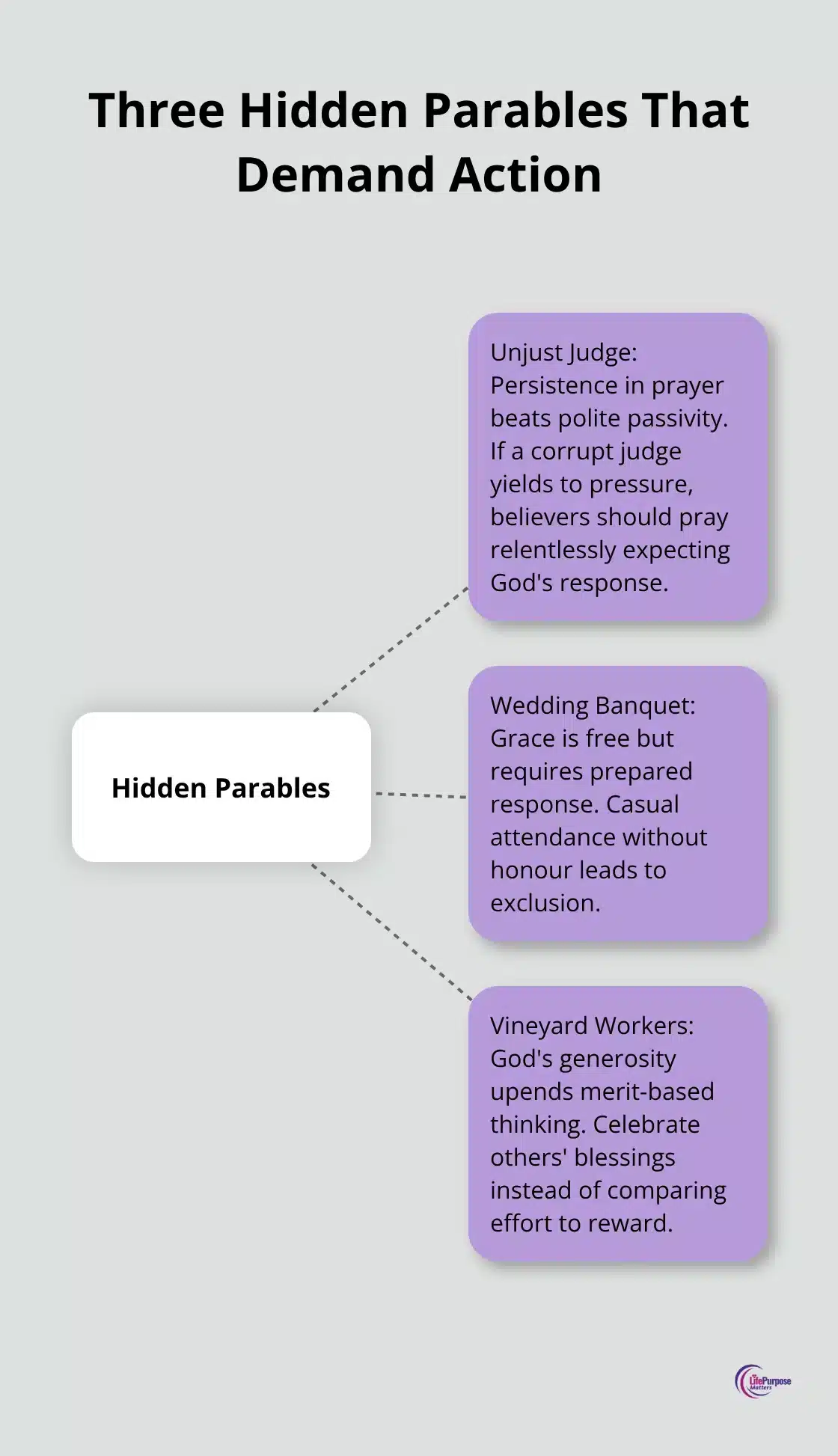
Most Christians know about the Good Samaritan and Prodigal Son, but Jesus told dozens of other stories that pack equally transformative power. Three lesser-known parables shatter our assumptions about prayer, grace, and fairness in ways that demand immediate action.
The Unjust Judge Demolishes Polite Prayer
Jesus tells about a corrupt judge who ignores a widow’s pleas for justice until her persistence wears him down. The judge openly admits he fears neither God nor people but grants her request to stop her constant pressure. Jesus concludes that if an evil judge responds to persistence, how much more will God respond to continuous prayer.
The parable destroys the myth that we should pray once and wait quietly. God wants bold, repeated requests, not timid suggestions. Modern believers often give up after one or two prayers, but this story demands relentless pursuit of what matters most.
The Wedding Banquet Exposes Grace Limits
A king invites guests to his son’s wedding, but they refuse to come. He sends servants to compel random people from the streets to fill the hall. However, when the king finds one guest without proper wedding attire, he throws him out into the darkness.
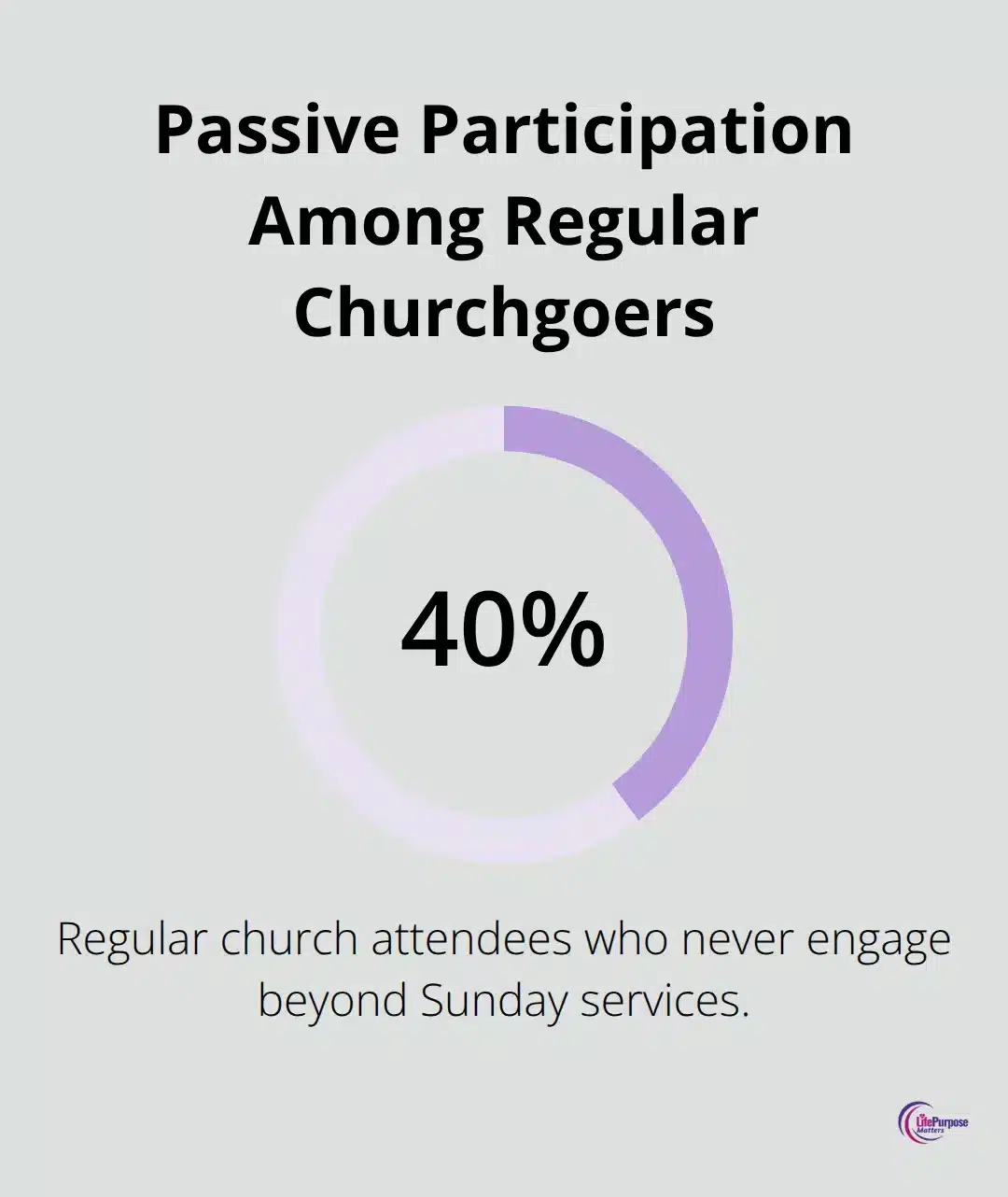
Seminary professors often skip this uncomfortable ending because it contradicts easy grace theology. The parable teaches that God’s invitation is free, but the response requires preparation and respect. Church attendance statistics show that 40% of regular attendees never engage beyond Sunday services (Pew Research Centre). Grace has boundaries, and casual participation leads to exclusion.
This story demands we take God’s invitation seriously through active preparation rather than passive attendance.
The Vineyard Workers Destroy Merit-Based Thinking
Workers hired at different times throughout the day all receive the same full day’s wage. This causes those who worked the longest to complain bitterly. The landowner responds that he can be generous with his own money and asks why they begrudge his goodness.
Behavioural economics research confirms that perceived unfairness triggers stronger emotional responses than actual loss. This parable attacks our deep-seated belief that effort should equal reward. God operates on generosity, not merit systems. Churches struggle with this concept when long-time members resent the attention given to new converts. The story forces us to celebrate others’ blessings rather than compare our efforts to their rewards.
These profound truths from forgotten parables prepare us to tackle the real challenge: how do we actually live out these radical teachings in our daily routines and relationships?
How Do We Actually Live These Lessons
Parable wisdom transforms into daily action through specific strategies and ruthless honesty about our resistance patterns. Start with the Good Samaritan principle and identify one group you instinctively avoid or judge. Choose someone from that group and perform one act of service within the next seven days. Studies show that intergroup contact is highly effective in reducing prejudice after positive interactions. Track your internal resistance when you see news about this group and consciously counter negative thoughts with specific examples of individuals you’ve helped.
Break Through Fear-Based Decisions
The talents parable demands we stop choosing safety over growth. Financial advisers recommend the 70-20-10 rule: 70% secure investments, 20% moderate risk, 10% high risk ventures. Apply this to your spiritual gifts and career choices.

Identify one talent you’ve buried due to fear of failure and commit to using it in a small way this month. Research from the University of Pennsylvania shows that people who take calculated risks report 31% higher life satisfaction than those who avoid all risks. Replace your fear-based prayers with bold requests that stretch your comfort zone.
Implement Persistent Prayer Strategies
The unjust judge parable requires you to abandon polite, one-time prayers for relentless pursuit. Create a daily prayer list with three specific requests and pray them every morning for 30 days (set phone reminders if necessary). Neuroscience research indicates that neuroplasticity involves forming and refining neural connections during brain development. Track which prayers God answers and how your persistence affects your faith and confidence. Stop apologising to God for asking repeatedly and start expecting responses like the persistent widow expected justice.
Practice Radical Generosity
The vineyard workers parable challenges our merit-based thinking in practical ways. When someone receives recognition you think they deserve, celebrate their success instead of comparing efforts. Studies show that gratitude practices increase life satisfaction by 25% within six weeks. Choose one person who received something you wanted and send them a congratulatory message this week. This action rewires your brain to appreciate God’s generosity rather than resent it. Your relationships will improve when you stop keeping score and start celebrating others’ victories. Remember that spiritual growth often requires us to embrace uncomfortable truths about our motivations.
Final Thoughts
Jesus parables transform lives when we move beyond surface-level interpretations and embrace their radical demands. These ancient stories challenge our deepest assumptions about fairness, grace, and human nature. The Good Samaritan forces us to help people we typically avoid, while the Prodigal Son exposes family dysfunction we prefer to ignore.
These truths require courage to confront our biases, take calculated risks with our talents, and celebrate others’ success instead of comparing efforts. Research confirms that people who apply these principles report higher life satisfaction and stronger relationships. The discomfort you feel when reading Jesus parables signals areas where growth is needed most.
Your spiritual journey doesn’t end with understanding these stories but begins when you choose specific actions that align with their teachings. Start this week by helping someone from a group you typically judge, using a buried talent despite fear of failure, or praying persistently for something that matters deeply. We at Life Purpose Matters believe these parables offer practical wisdom for integrating faith into daily decisions and relationships (the transformation happens when you stop admiring Jesus’ stories and start living them).