

I still remember the Sunday morning I sat in the back pew, nodding along while feeling completely hollow inside. My faith, once vibrant, had become a routine I went through without any real connection. If you’ve felt that same spiritual exhaustion, you’re not alone-and that’s exactly why we at Life Purpose Matters created this guide.
The good news? Daily faith encouragement doesn’t require grand gestures or perfect circumstances. It starts with small, intentional practices that gradually restore what weariness has taken from your heart.
Understanding Spiritual Weariness
Recognising Signs of Spiritual Exhaustion
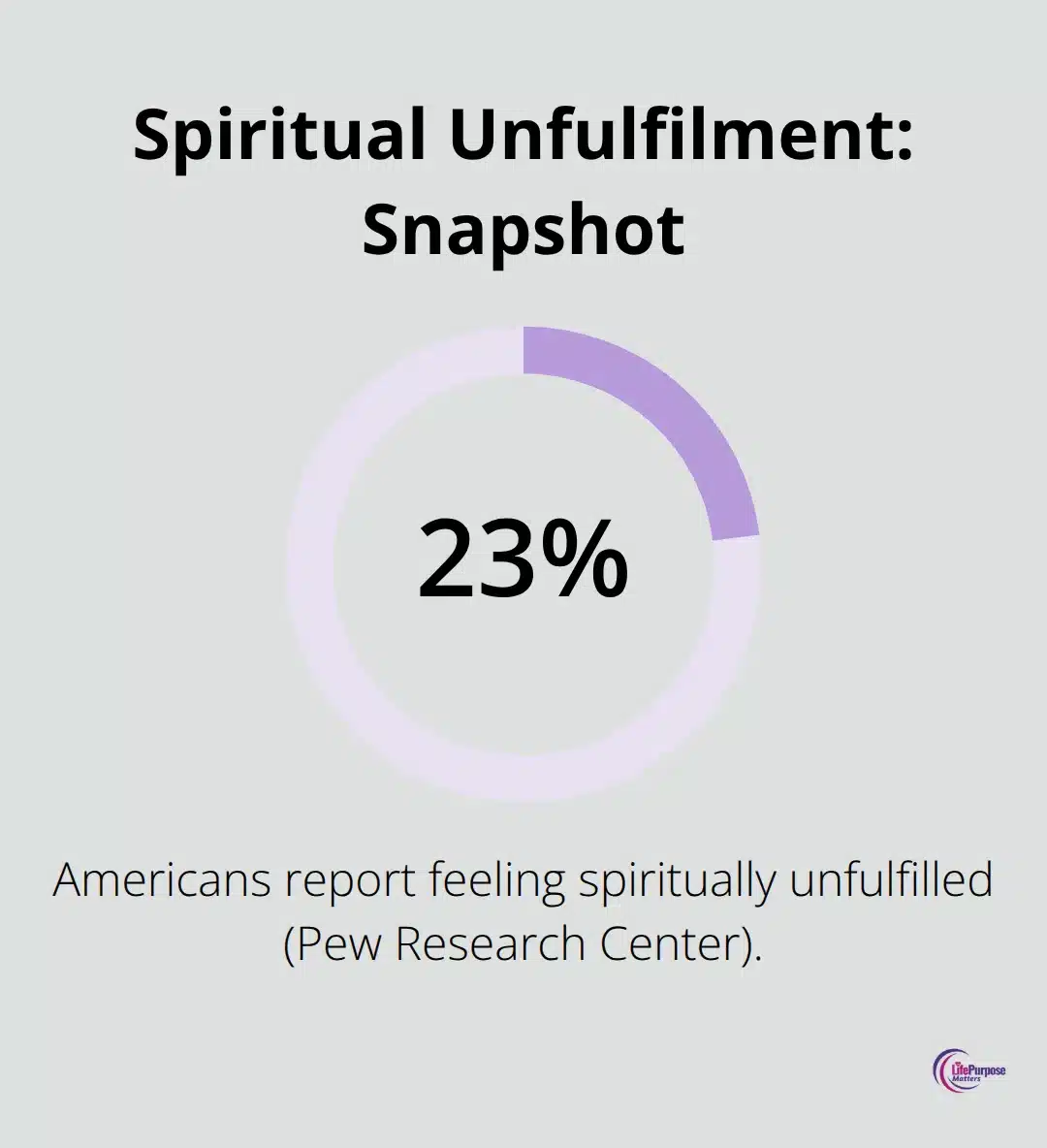
Spiritual exhaustion creeps in quietly. You might notice you’re moving through prayer without feeling present, or Scripture passages that once stirred your soul now feel like words on a page. Spiritual fatigue often manifests as persistent low mood, reduced motivation, and a sense of disconnection from what once brought meaning. The Pew Research Centre found that roughly 23% of Americans report feeling spiritually unfulfilled, and many describe a heaviness they can’t quite name.
Some people experience physical symptoms too: disrupted sleep, low energy, or a constant sense of being drained even after rest. Others stop praying altogether, or they pray mechanically without expectation. If you skip faith practices you once cherished, feel cynical about your beliefs, or struggle to find hope in difficult circumstances, your weary heart is sending a clear signal that something needs to shift.
Common Causes of Faith Fatigue
The causes behind this weariness are rarely mysterious. Prolonged stress, unresolved grief, seasons of loss, or the relentless pace of modern life drain your spiritual reserves. Some people experience faith fatigue after unanswered prayers or when circumstances feel completely out of control. Others burn out from overcommitment in ministry or church service.
National Institute on Ageing research shows that isolation and lack of community connection significantly accelerate spiritual exhaustion, which is why loneliness often deepens faith struggles. The truth is this: daily faith encouragement isn’t optional when weariness sets in.
Why Daily Encouragement Matters
A consistent practice of small spiritual acts-whether that’s a five-minute morning devotional, one meaningful Scripture verse, or a brief prayer-genuinely matters. Daily spiritual practices lower perceived stress and improve emotional resilience. You don’t need to overhaul your entire life or commit to hours of spiritual work.
What matters is showing up consistently, even in small ways, because those modest daily actions compound into restored connection and renewed hope. When you find God’s voice in stillness, you create space for the strength that Scripture and prayer offer, which is exactly where we turn next.
Finding Strength in Scripture and Prayer
Target Verses That Match Your Struggle
You’ve probably heard that Scripture is powerful, but here’s the truth: generic advice to read your Bible more won’t fix spiritual weariness. What actually works is targeting specific verses that speak directly to your current struggle, then pairing them with a prayer practice that feels real rather than robotic.
Matthew 11:28 offers a direct invitation from Jesus himself: come to me, all you who are weary and burdened, and I will give you rest. This isn’t metaphorical comfort; Jesus explicitly promises rest for your soul, which encompasses physical, emotional, and spiritual renewal. When you’re exhausted, this verse becomes an anchor because it names exactly what you’re experiencing and offers something concrete in return.
Isaiah 40:29-31 promises that God gives strength to the weary and power to the weak, especially for those who hope in him. The key here is that these aren’t vague promises; they’re specific declarations you can return to when your energy tanks. Psalm 46:10 invites you to be still and know that God is God, which fundamentally shifts your job description from trying to fix everything yourself to simply releasing control and trusting. Explore Bible verses for challenges you’re facing to discover additional scriptures that renew strength and inspire your journey.
Make Scripture Visible and Personal
Start with one verse that resonates with your current season, then write it on a card you see daily-your bathroom mirror, your car dashboard, your phone lock screen. Harvard Health Publishing research shows that faith-based gratitude routines, like writing three blessings each day, significantly boost positive emotions and resilience, which means pairing Scripture with intentional gratitude creates a compounding effect.
Pray in Short, Honest Bursts
Building a prayer practice that actually sustains you requires abandoning the pressure to pray perfectly or for long stretches. The National Centre for Complementary and Integrative Health found that short breath prayers-inhaling God, exhaling grant me peace-genuinely lower anxiety and physiological arousal when worry spikes. This means a two-minute prayer practice using one simple phrase is far more valuable than skipping prayer because you lack thirty minutes.
Cast all your anxiety on God because he cares for you, as 1 Peter 5:7 states, which transforms prayer from a performance into an honest conversation. Integrate these practices into existing moments: pray while showering, meditate on a verse during your lunch break, or keep Scripture visible while you work. The goal isn’t adding hours to your day but threading faith back into the moments you already inhabit.
Slow Down with Scripture Meditation
Scripture meditation deepens your connection further. Instead of rushing through a chapter, pick one sentence and sit with it for five minutes, asking what it reveals about God’s character or how it applies to your specific struggle. This practice rewires your brain away from spiritual autopilot and creates genuine connection.
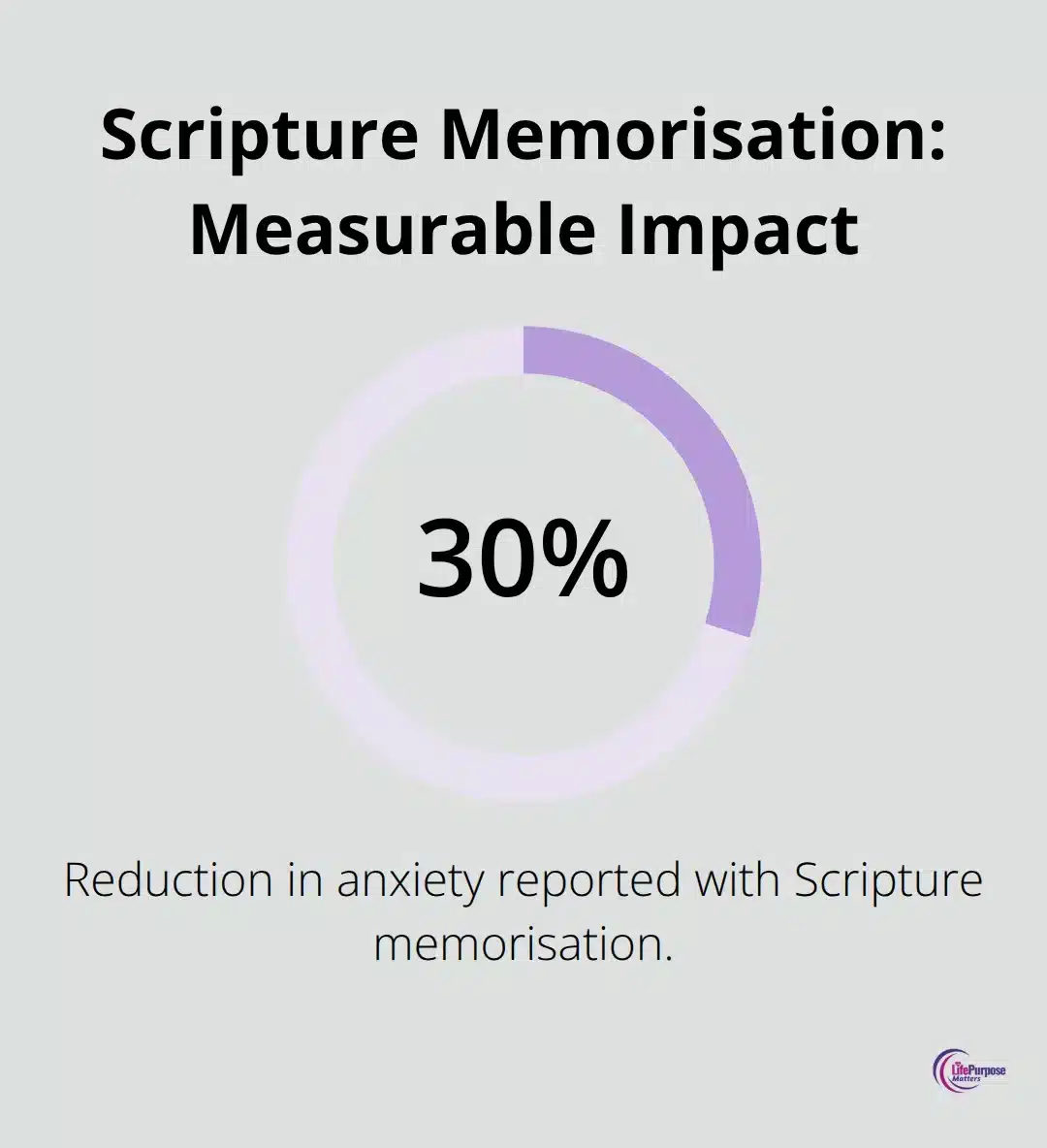
Research shows that Scripture memorisation produces a 30% reduction in anxiety and marked increases in emotional well-being, meaning that when anxious thoughts spiral, having verses anchored in your mind provides immediate truth to counter the lies exhaustion whispers. This foundation of Scripture and prayer prepares your heart for the practical daily rhythms that transform weariness into sustained spiritual vitality.
Building Faith Into Your Daily Rhythm
Start Your Morning with Intention
The morning routine that changes everything rarely looks glamorous. It doesn’t require waking at 5 a.m. or spending an hour in spiritual practices. People who commit to just ten minutes of intentional faith practice each morning report significantly lower stress levels and improved emotional resilience throughout their day. Start with what actually fits your life. If you have fifteen minutes before work, use eight of them for a short devotional and two minutes for prayer. If mornings are chaos with kids or work demands, try a three-minute Scripture meditation during your commute or while your coffee brews. Even brief daily spiritual practices lower perceived stress, which means consistency matters far more than duration.
Check out our ==>> 31-Day Prayer Journey: Daily Devotions for Spiritual Growth.
Write one verse on a sticky note and place it where you’ll see it repeatedly-your bathroom mirror, your steering wheel, your desk. Read it three times with genuine attention rather than speed-reading through a lengthy devotional. Pair this with a single honest prayer: God, strengthen me today or help me trust you with this specific worry. This isn’t performance; it’s connection.
Anchor Your Evening in Rest and Gratitude
Establishing a bedtime routine centred on God, perhaps reviewing one verse and offering gratitude for three specific things from your day, actually improves sleep quality, which directly strengthens your ability to handle stress and weariness the next day. This practice signals to your body and spirit that rest matters, not laziness. When you prioritise sleep as a spiritual discipline, you honour the truth that God grants sleep to those He loves.
Build Accountability Through Real Relationships
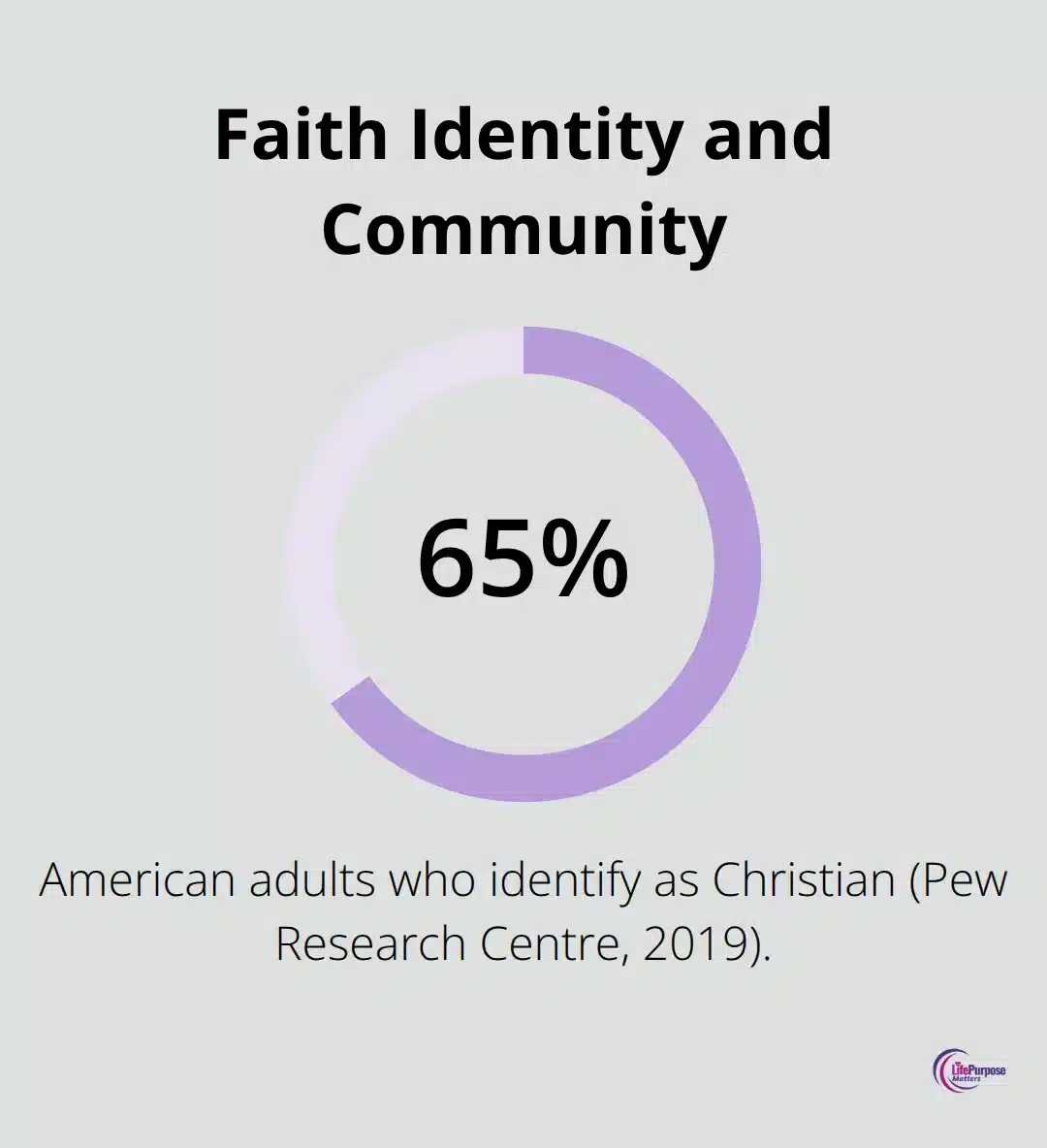
Community accountability transforms isolated faith struggles into shared strength. According to a 2019 report by the Pew Research Centre, 65 per cent of American adults describe themselves as Christians. Regular participation in a faith community provides social support that buffers stress and reduces loneliness during difficult seasons. This doesn’t mean you need a massive small group; one trusted friend who checks in weekly, a spouse you pray with, or even a text exchange with someone committed to the same faith practice creates genuine accountability.
Ask a friend to send you one encouraging Scripture verse each morning, or commit to texting each other one answered prayer per week.
Serve Others to Strengthen Your Own Faith
Volunteering within faith communities builds purpose and strengthens social ties, which correlates with improved well-being. Small acts of service-visiting someone who’s struggling, helping with a practical need, or praying for a specific person-reconnect you to the larger purpose of your faith and remind you that your struggles have meaning beyond yourself. These acts compound quietly. When you consistently show up for someone else’s burden, your own weariness shifts from feeling isolating to feeling purposeful.
Create Momentum Through Faithful Repetition
Start small: one phone call per week, one meal delivered to someone in crisis, or thirty minutes of service each month. The momentum builds not from grand gestures but from faithful repetition, which is exactly how daily faith practices restore what weariness has stolen. Each small action reinforces the next, creating a rhythm that sustains your spirit through difficult seasons.
Final Thoughts
The spiritual weariness you experience right now isn’t a sign of weak faith or personal failure-it’s a signal that your heart needs intentional daily practices, honest connection with Scripture, and genuine community support. Thousands of believers walk through seasons of exhaustion, and the fact that you’re here reading about faith encouragement means you’ve already taken the first step toward restoration. Your hollow prayers and disconnected moments aren’t permanent; they’re invitations to rebuild what weariness has stolen.
Start today with one single practice, not all of them. Write a verse on your bathroom mirror, pray a two-minute breath prayer during your commute, or text one friend this week to share an answered prayer. That single action creates momentum, and consistency compounds into genuine spiritual renewal that transforms your daily life. Small, faithful steps matter far more than perfect circumstances or elaborate spiritual routines.
We at Life Purpose Matters understand that living out your God-given purpose requires practical support, real resources, and a community that believes in your spiritual journey. Visit Life Purpose Matters to explore faith-based encouragement designed specifically for people seeking a deeper connection with their beliefs and wanting to integrate their faith more fully into daily life.