

Bev stared at her gym membership card, feeling guilty about another missed workout. Between church commitments and family responsibilities, her health had taken a backseat to everything else. Many Christians struggle with this same tension between spiritual devotion and physical wellness. Differentiating between the world’s version of “self-care” (which can be self-centered) and a faith-based approach rooted in God’s love and purpose for us is a common challenge. The battle often begins in the mind, where individuals may rely solely on their own willpower and discipline rather than inviting the Holy Spirit into the process and asking for His strength and guidance.
At Life Purpose Matters, we believe Christian wellness isn’t about choosing between faith and health-it’s about seeing them as beautifully connected parts of God’s design for our lives.
Biblical Foundation for Christian Wellness
The apostle Paul declares in 1 Corinthians 6:19-20 that your body is a temple of the Holy Spirit, bought with a price, therefore glorify God in your body. This isn’t a suggestion-it’s a direct command that transforms how Christians should view physical health. Paul’s message reveals God’s clear expectation that believers actively care for their bodies as acts of worship, not optional lifestyle choices.
God’s Blueprint for Complete Wellness
Scripture consistently presents wellness as body, mind, and spirit that work together. In 3 John 1:2, the apostle John prays that believers would prosper and be in health even as their souls prosper, which establishes health as a legitimate spiritual concern. Proverbs 17:22 states that a cheerful heart is good medicine, while a crushed spirit dries up the bones (this demonstrates the biblical mind-body connection thousands of years before modern medicine caught up). When Jesus healed people, He addressed their complete person-physical ailments, emotional burdens, and spiritual needs simultaneously. This holistic approach to wellness remains central to Christian living today.
Christ’s Health Example
Jesus modelled a balanced life that modern Christians can follow today. Luke 5:16 shows Jesus regularly withdrew to lonely places to pray, which established the pattern of physical movement combined with spiritual practice that research now proves can significantly impact cortisol levels. Jesus walked approximately 3,000 miles during His ministry according to biblical scholars, which demonstrates that physical activity was integral to His spiritual work. He also observed Sabbath rest, participated in community meals, and maintained relationships-all practices that current wellness research identifies as fundamental to longevity and mental health.

These biblical foundations set the stage for practical wellness habits that honour God while caring for the bodies He has given us.
Practical Christian Wellness Habits
Prayer transforms mental health outcomes when Christians practise it consistently. Studies show that prayer leads to lower heart rate, reduced muscle tension, and slower breathing rate. The most effective approach starts each morning with five minutes of scripture-based meditation paired with deep breathing exercises.
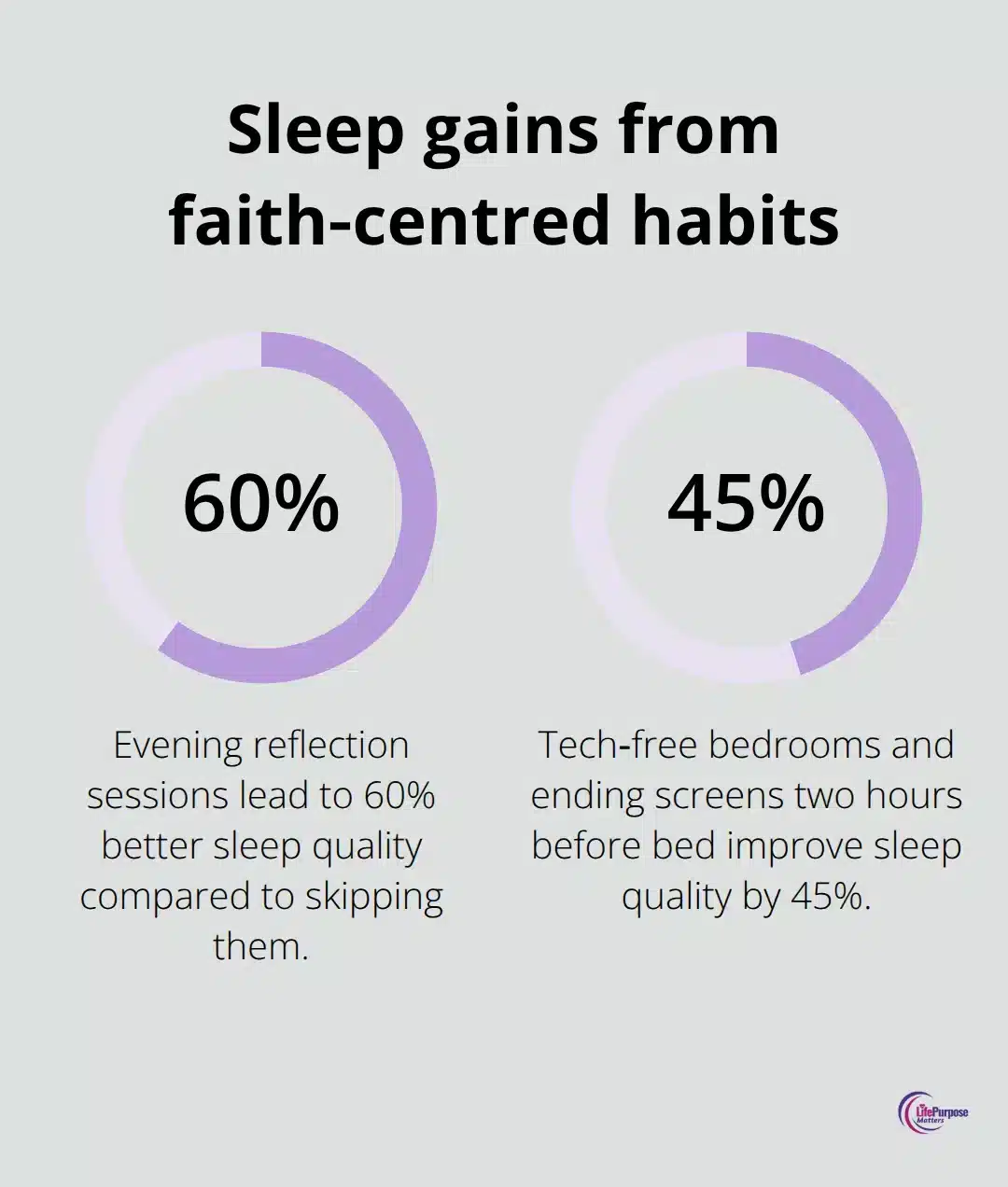
Philippians 4:6-7 provides the framework: present requests to God with thanksgiving, then experience peace that guards hearts and minds. Clinical research from Harvard Medical School demonstrates that this combination of prayer and controlled breathing activates the parasympathetic nervous system (which lowers cortisol levels within 15 minutes). Christians who integrate evening reflection sessions report 60% better sleep quality and significantly reduced stress levels compared to those who skip this practice.
Sabbath Sleep Strategy
God established rest as non-negotiable in Exodus 20:8-10, yet many Christians struggle with sleep issues. The biblical Sabbath principle extends beyond Sunday worship to include proper sleep hygiene throughout the week. Sleep specialists recommend 7-9 hours nightly, with consistent bedtimes that honour the body as God’s temple.
Technology-free bedrooms and screen exposure that ends two hours before sleep improves sleep quality by 45%. Christians who observe weekly Sabbath rest periods show measurably lower inflammation markers and stronger immune responses than those who maintain constant activity schedules.
Stewardship Through Nutrition and Movement
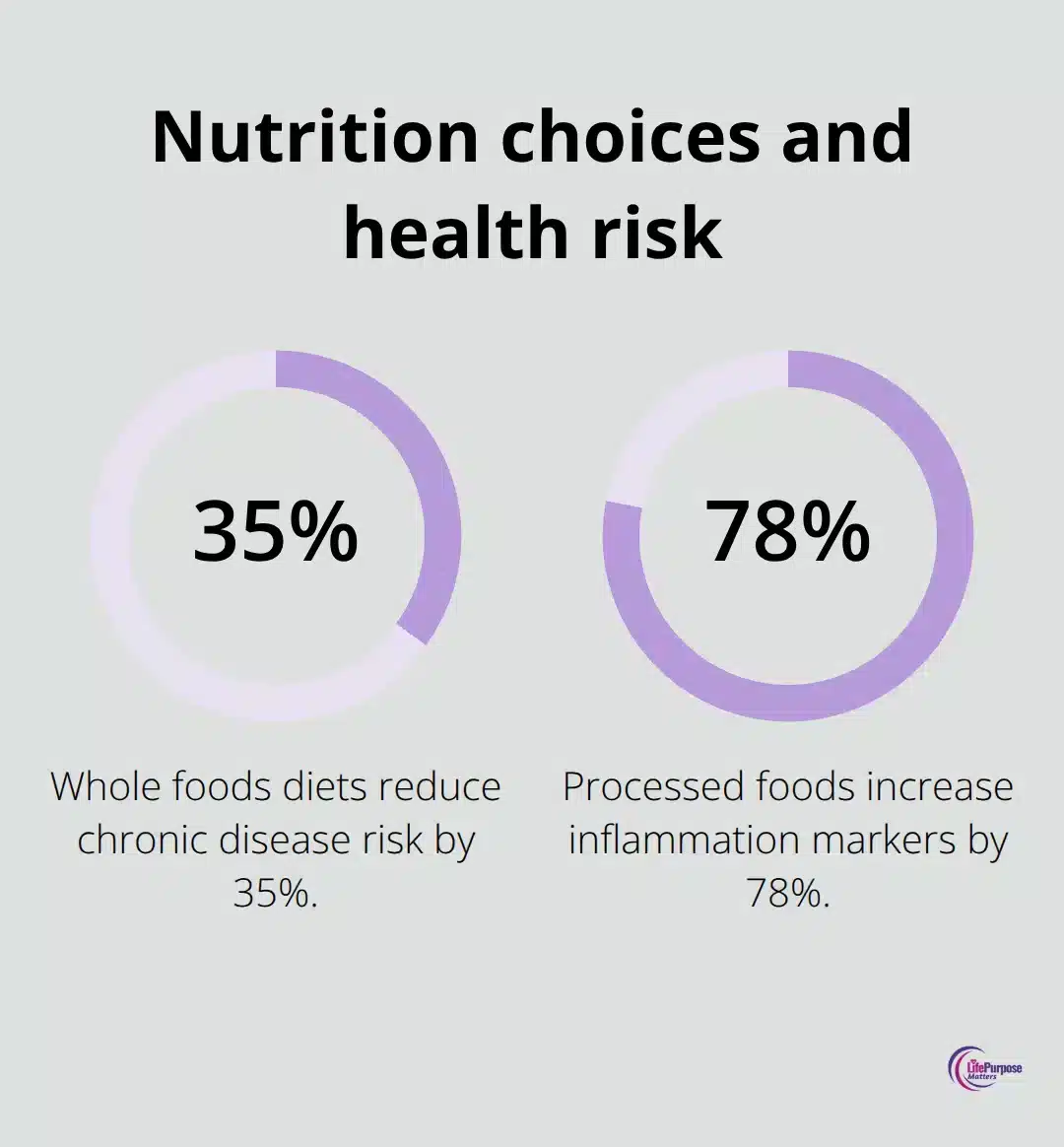
First Corinthians 10:31 commands believers to glorify God through what they eat and drink, which requires intentional food choices rather than mindless consumption. Research from the Mayo Clinic shows that whole foods diets reduce chronic disease risk by 35% while processed foods increase inflammation markers by 78%.
Practical stewardship means Christians choose nutrient-dense foods that fuel the body for Kingdom work. Physical movement serves spiritual purposes too – Christians who walk during prayer time enhance focus and creativity while they reduce stress hormones. Those who combine 30 minutes of daily movement with spiritual practices report stronger faith connections and improved physical markers (including blood pressure, weight management, and energy levels).
These foundational habits create the framework for deeper integration of faith and wellness throughout each day.
Integrating Faith with Daily Health Routines
Research indicates that faith-related programmes can motivate increased physical activity among Christians who combine morning devotions with physical exercise. The most effective approach involves reading one Bible verse while you walk for 15-20 minutes, then spend 5 minutes in prayer afterward. This sequence allows scripture to marinate in your mind while your body moves, which creates deeper spiritual connections than static devotional time alone. Christians who practise worship walks report stronger prayer focus and improved cardiovascular health within six weeks.
Transform Mealtime Into Sacred Space
Gratitude practices during meals fundamentally change both spiritual awareness and digestive health. The biblical practice of blessing food creates mindful eating patterns that honour God while they support physical wellness. Christians who pray specific thanks for each food item on their plate develop stronger connections between faith and nutrition choices. This practice also slows your eating pace naturally, which improves digestion and reduces overeating.
Church Wellness Groups That Actually Work
Faith-based fitness groups show higher long-term success rates than secular programmes because they combine accountability with spiritual motivation. Successful church wellness initiatives meet twice weekly – once for physical activity like walking or light exercise, once for nutrition education rooted in biblical stewardship principles. Churches that track member health improvements alongside spiritual growth metrics see participation rates remain high after one year compared to traditional gym programmes. The key lies in viewing health goals as acts of worship rather than personal achievement, which sustains motivation through difficult seasons.
Create Movement-Based Prayer Time
Walking meditation transforms both prayer life and physical fitness when Christians practise it consistently. Start with 10 minutes of slow walking while you recite memorised scripture verses or pray for specific people. This combination activates different brain regions than seated prayer, which enhances focus and retention. Christians who walk during prayer report better concentration and stronger emotional connections to their faith. The rhythmic movement also reduces cortisol levels while it increases endorphin production, creating natural stress relief that enhances spiritual receptivity.
Final Thoughts
Christian wellness represents God’s complete vision for human flourishing – body, mind, and spirit work together in harmony. When believers embrace this holistic approach, they experience benefits that extend far beyond physical health improvements. Research consistently shows that Christians who integrate faith with wellness practices report stronger spiritual connections, reduced anxiety levels, and greater life satisfaction compared to those who separate these areas.
The beauty of faith-based wellness lies in its sustainability. Unlike secular health programmes that rely on willpower alone, Christian wellness draws strength from divine purpose and community support (this foundation creates lasting change because it addresses the heart behind healthy choices, not just external behaviours). Start small with one practice – perhaps a five-minute morning walk with prayer or express gratitude before meals – and commit to it for two weeks.
At Life Purpose Matters, we provide ongoing Christian living inspiration to support your wellness journey. Caring for your body as God’s temple isn’t selfish – it’s obedient stewardship that equips you to serve others more effectively. Small, consistent steps honour God while they build momentum for greater health transformations that glorify Him through every aspect of your life.