

Staring at her Bible, Bibi realised she’d been reading the same verse for three minutes without absorbing a word. Her spiritual life felt scattered and aimless. Many believers struggle with this same challenge. When spiritual life feels scattered and aimless, it can indicate a need for intentional re-engagement and recalibration. This feeling is a common experience, often a sign of spiritual stagnation or a transition period, and addressing it involves practical steps to restore focus, purpose, and connection. This is where Intentional Spiritual Formation can help greatly.
Intentional spiritual formation is a conscious process of shaping one’s life to become more like Christ, involving a proactive choice to be formed by spiritual disciplines, teaching, and community, rather than by the world. It can be likened to an “apprenticeship to Jesus” that counters the unintentional, often negative, forces of culture and personal habits, aiming for genuine spiritual growth and transformation. Key components include intentionally choosing spiritual disciplines, engaging in supportive faith communities, and renewing the mind through biblical teaching to align with God’s will.
At Life Purpose Matters, we understand that spiritual formation requires more than good intentions-it demands intentional action and practical strategies that fit your real life.
What Makes Spiritual Formation Intentional
Intentional spiritual formation means you take active control of your spiritual development, rather than hoping it happens by accident. The American Psychological Association reports that individuals who engage in regular prayer and meditation experience reduced stress compared to those who practise sporadically. This approach focuses on strategic choices that shape your character toward Christlikeness rather than adding more religious activities to your schedule. John Mark Comer’s research shows that most Christians spend 168 hours per week under cultural influence and less than 3 hours in Christ-centred practices. (Wow!😮)
The Gap Between Casual and Strategic Faith
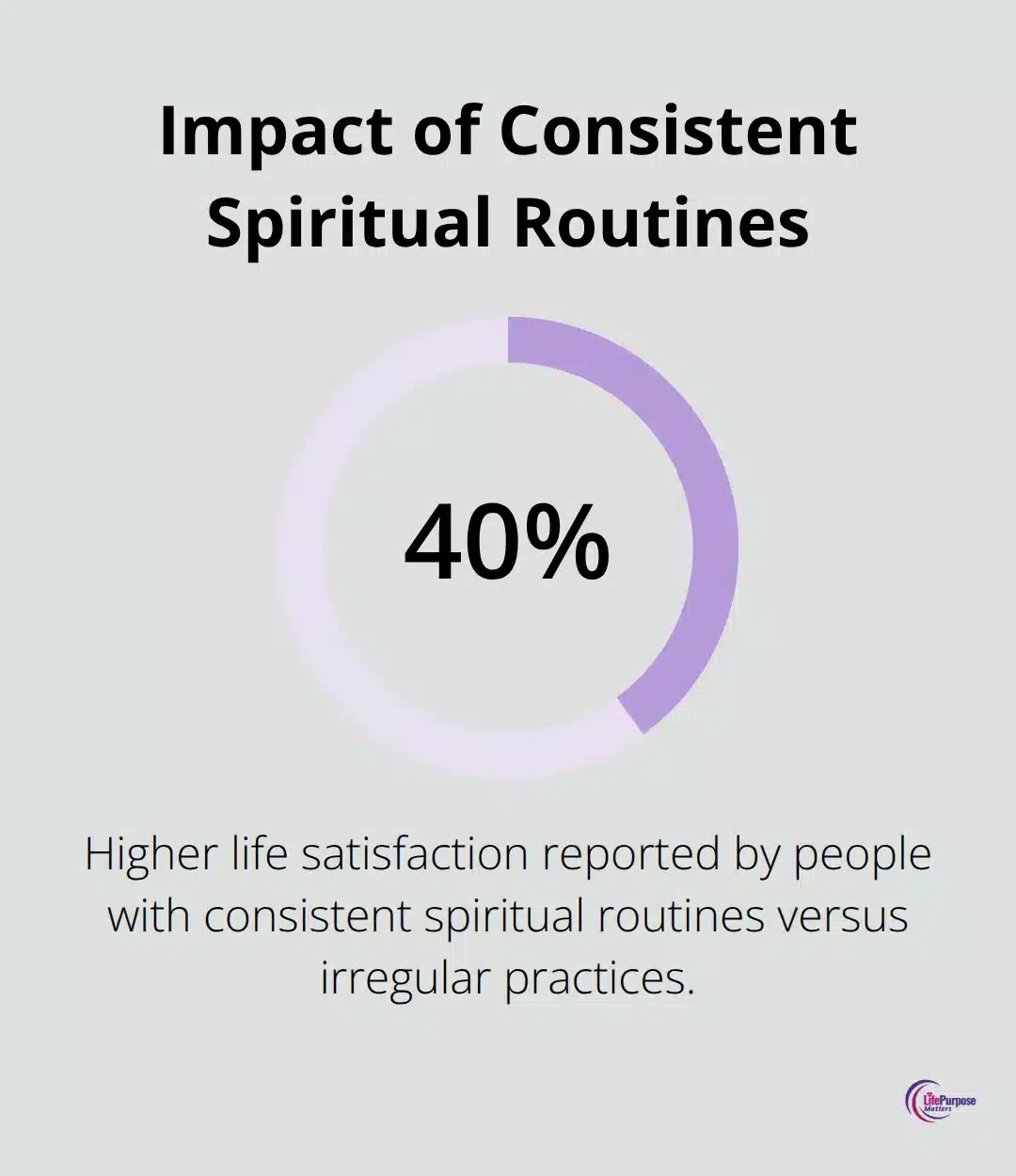
Casual faith practice relies on Sunday services and occasional Bible reading when convenient. Strategic spiritual formation involves daily rhythms that consistently expose you to God’s presence. Harvard Divinity School studies indicate that people who establish consistent spiritual routines report 40% higher life satisfaction scores than those with irregular practices. The difference lies in consistency and purposefulness-you create specific times, places, and methods for spiritual growth rather than leave it to chance.
Biblical Foundation for Purposeful Growth
Scripture demonstrates intentional formation through Jesus’ 40-day wilderness preparation and Paul’s disciplined approach in 1 Corinthians 9:24-27. The early church practised daily devotion, community accountability, and structured learning (as documented in Acts 2:42-47). These believers implemented specific practices that guaranteed transformation rather than hoped for spiritual growth. Modern research confirms that people who combine scripture study with Christian community accountability show greater spiritual development than solo practitioners.
Why Random Spiritual Activities Fall Short
Random spiritual activities produce random results. You might read your Bible one day, pray occasionally, and attend church when you feel like it-but this scattered approach lacks the power to create lasting change. Neuroscience research shows that habit formation requires consistent repetition over 66 days on average. When you approach spiritual growth without structure, you miss the compound effect that builds spiritual maturity over time.
The next step involves creating practical systems that turn these principles into daily realities that actually stick.
How Do You Build Lasting Spiritual Habits
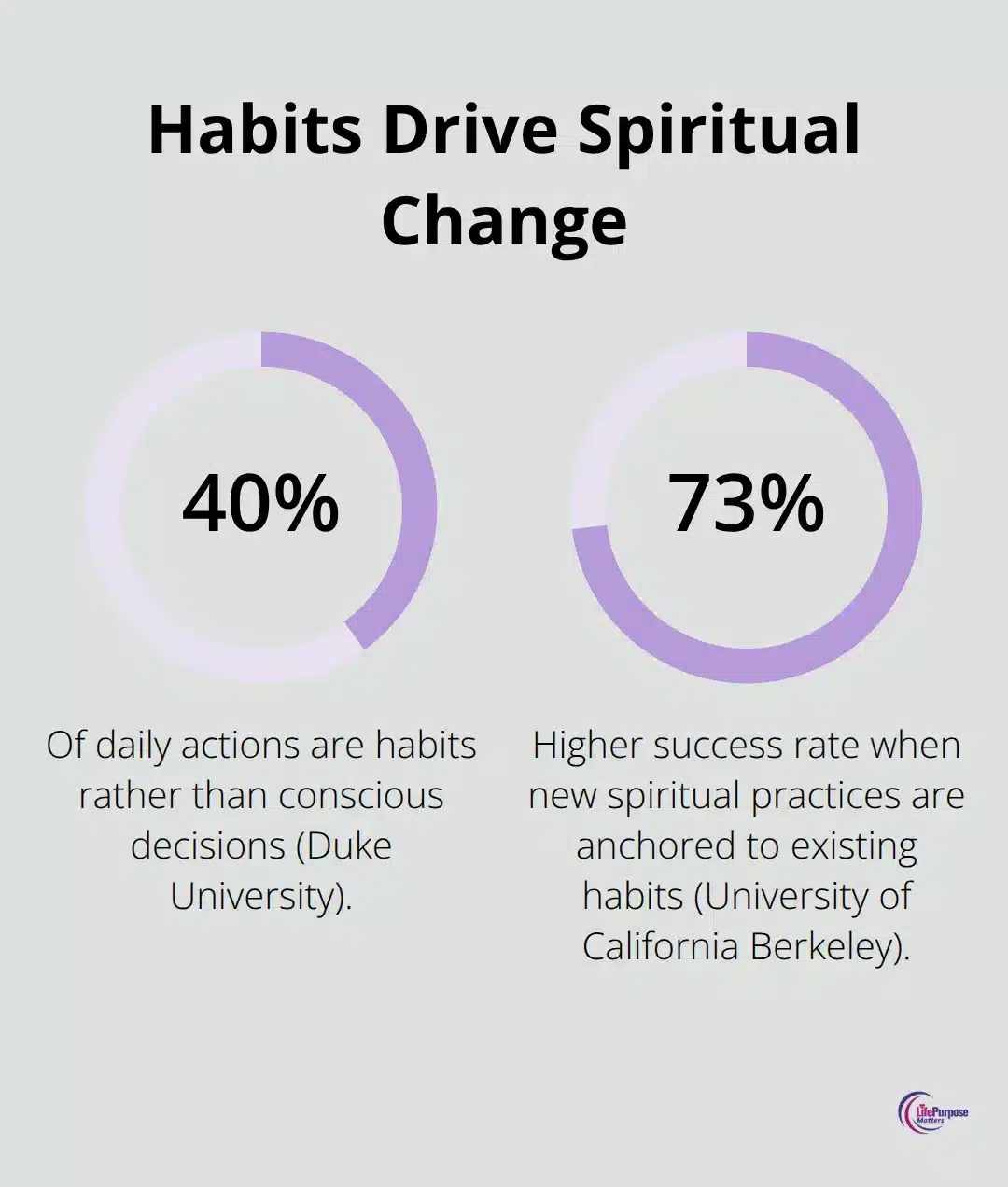
The key to spiritual transformation lies in replacing your current routines with God-centred practices that become automatic. Research from Duke University shows that 40% of daily actions are habits, not conscious decisions. Start with a 15-minute morning routine that combines prayer and scripture reading at the exact same time each day. Choose one specific verse to meditate on for an entire week rather than rush through multiple chapters. This approach allows deeper penetration of God’s word into your thought patterns. Set your Bible next to your coffee maker or phone charger so you encounter it naturally. The University of California Berkeley found that people who anchor new spiritual practices to existing habits succeed 73% more often than those who create entirely separate routines.
Create Accountability Through Intentional Relationships
Small groups provide the accountability mechanism that solo spiritual growth lacks. Join a group of 4-6 people who meet weekly to discuss specific spiritual disciplines and hold each other accountable for daily practices. Choose people who will ask direct questions about your prayer life and scripture engagement rather than settle for surface-level conversations. Find a mentor who has walked with Christ longer than you and schedule monthly meetings to review your spiritual development. Research from Fuller Seminary indicates that consistent mentorship relationships support spiritual transformation through structured guidance. Share your specific spiritual goals with these relationships and give them permission to challenge you when you drift from your commitments.
Transform Daily Tasks Into Ministry Opportunities
Service becomes powerful when you integrate it into your existing schedule rather than add it as another commitment. Volunteer for one hour weekly at a local food bank or homeless shelter to practise Christ’s love in action. Turn your commute into prayer time for co-workers, neighbours, and community leaders (pray for them by name). Use lunch breaks to encourage colleagues through text messages or brief conversations about their struggles. The National Study of Youth and Religion found that teenagers who engage in regular service activities maintain stronger faith connections into adulthood compared to those who only attend church services. Choose service opportunities that match your natural skills and schedule constraints rather than force activities that create stress and resentment.
Establish Non-Negotiable Spiritual Rhythms
Success requires you to treat spiritual practices as appointments with God that cannot be moved or cancelled. Block specific times in your calendar for prayer, scripture study, and reflection just as you would for important meetings. Start with three 10-minute sessions per week and gradually increase frequency as these rhythms become natural. Create physical spaces in your home dedicated solely to spiritual practices (even a corner with a chair and Bible works). Research shows that environmental cues trigger habit formation more effectively than willpower alone.
These practical systems create the foundation, but you’ll face specific obstacles that threaten to derail your progress entirely.
What Derails Your Spiritual Progress
Spiritual dryness hits every believer and feels like you pray to a ceiling or read scripture that bounces off your brain. Many Christians experience significant spiritual dryness within their first years of intentional practice. The solution requires you to change your approach, not abandon your commitment.
Combat Spiritual Dryness with Fresh Methods
Switch to different Bible translations when familiar passages lose impact. Pray while you walk instead of sit, or listen to scripture audio during commutes. Set a timer for five minutes of silent prayer when traditional prayer feels empty. The Barna Group found that believers who adapt their spiritual practices during dry seasons maintain long-term growth compared to those who quit entirely. Try new worship music or read devotionals from different authors to break monotonous routines.
Protect Spiritual Time from Schedule Chaos
Your busy schedule will devour spiritual practices unless you defend them aggressively. More than four-in-ten Americans report that they pray at least once a day, yet many still claim they lack time for deeper spiritual practices. Wake up 20 minutes earlier instead of squeeze spiritual time into packed afternoons when decision fatigue peaks. Cancel one weekly commitment that adds stress without spiritual value and replace it with Bible study or Christian fellowship.
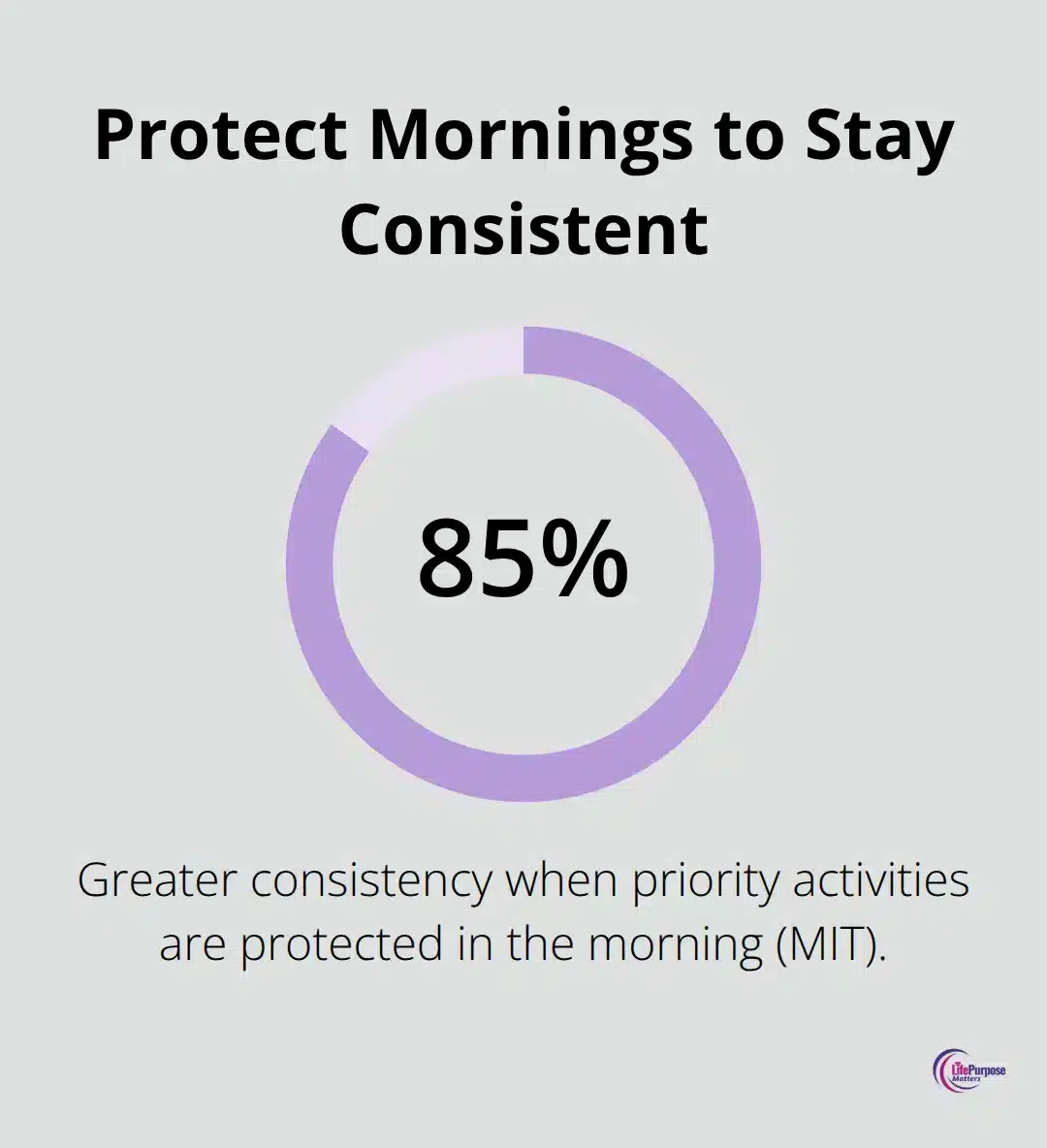
Schedule spiritual practices immediately after established routines like coffee or shower so they become automatic rather than optional. Research from MIT shows that people who protect their most important activities in morning hours complete them 85% more consistently than those who leave them for later. Block spiritual time in your calendar as unmoveable appointments and tell family members these times are off-limits for interruptions.
Defeat Perfectionism and Social Comparison
Perfectionism kills spiritual progress because it demands flawless performance instead of faithful consistency. Stop comparison of your prayer life to social media posts or your pastor’s spiritual maturity and focus on your personal growth trajectory. Miss a day of Bible reading without guilt and return the next day rather than abandon your routine entirely.
The University of Texas found that people who practise self-compassion during spiritual setbacks recover faster and maintain longer streaks than those who engage in self-criticism. Celebrate small victories like three minutes of prayer or one psalm read instead of dismiss efforts that feel inadequate. Track your spiritual practices weekly rather than daily to see patterns without obsession over perfect streaks (this prevents daily guilt cycles that destroy motivation).
Final Thoughts
Sustained spiritual formation requires three foundational principles that transform good intentions into lasting transformation. Consistency beats intensity every time. Five minutes of daily prayer outperforms hour-long sessions once weekly because regular exposure creates deeper neural pathways and spiritual sensitivity. Community accountability accelerates growth beyond solo efforts, and grace covers your imperfections while you develop spiritual muscle memory through repeated practice.
Your personal formation plan starts with honest assessment of your current spiritual rhythms. Choose one practice that fits your actual schedule rather than your ideal life. Write these commitments down and review them monthly to track progress without perfectionist pressure (start small and build momentum rather than attempt dramatic changes that create guilt cycles).
God’s grace means your spiritual formation journey includes setbacks, dry seasons, and imperfect days without disqualifying you from growth. The goal involves becoming more like Christ through intentional practices, not achieving spiritual perfection through human effort. We at Life Purpose Matters exist to support your journey with resources that help you discover and live out your God-given purpose within a supportive Christian framework.