

Simi watched her elder neighbour struggle with groceries and felt a familiar tug in her heart. That simple moment of helping carry bags up the stairs sparked something deeper-a reflection of Christian generosity that goes far beyond random acts of kindness.
At Life Purpose Matters, we believe generosity isn’t just about giving money or time. It’s about embodying God’s character in every interaction, transforming both giver and receiver in profound ways.
What Does Scripture Teach About Generosity
Scripture presents generosity as God’s fundamental character trait, woven throughout biblical history with measurable impact. The Old Testament records specific acts like Abraham’s hospitality to three strangers, which led to Isaac’s birth promise, and the widow of Zarephath, who shared her last meal with Elijah during a three-and-a-half-year famine. These weren’t abstract concepts but concrete actions with documented outcomes.
God’s Generous Character in Action
The Macedonian church demonstrates how poverty doesn’t limit generosity. According to 2 Corinthians 8:2-5, they gave beyond their ability during extreme hardship and contributed more than wealthier congregations. This challenges the modern assumption that financial stability must precede generous acts. Paul specifically notes they begged for the privilege to participate in relief efforts for Jerusalem believers. Their example proves that generous hearts transcend economic circumstances.
Jesus as the Generosity Standard
Jesus established generosity principles through specific acts and direct instruction. He praised the widow’s two copper coins over larger donations from the wealthy in Mark 12:41-44, which established sacrifice level as the true measure. His multiplication of 5,000 meals from five loaves and two fish (from a boy’s lunch) demonstrates how small offers multiply through divine intervention. Scripture contains extensive teaching about money and possessions, with Jesus who addressed financial stewardship more than any other topic. This frequency indicates generosity’s central role in Christian discipleship.
New Testament Generosity Framework
Paul’s instructions to Timothy create practical generosity guidelines for wealthy believers in 1 Timothy 6:17-19. He commands them to be rich in good deeds, generous, and willing to share while they store treasure for the coming age. The early church in Acts 2:44-47 shared possessions so effectively that no one experienced need, which resulted in daily conversions and community favour. This communal generosity model produced measurable church growth and social impact that secular historians document.
These biblical foundations establish clear patterns that transform how we approach our spiritual walk and daily interactions with others.
How Does Generosity Change Your Inner Life
Generosity rewrites your spiritual DNA at the cellular level through measurable psychological and spiritual shifts. Research shows that generosity provides better physical and psychological health benefits for the giver. When you give sacrificially, your brain releases oxytocin and dopamine, which creates what researchers call a helper’s high that mirrors the neurochemical response to prayer and worship.
Trust Develops Through Financial Risk
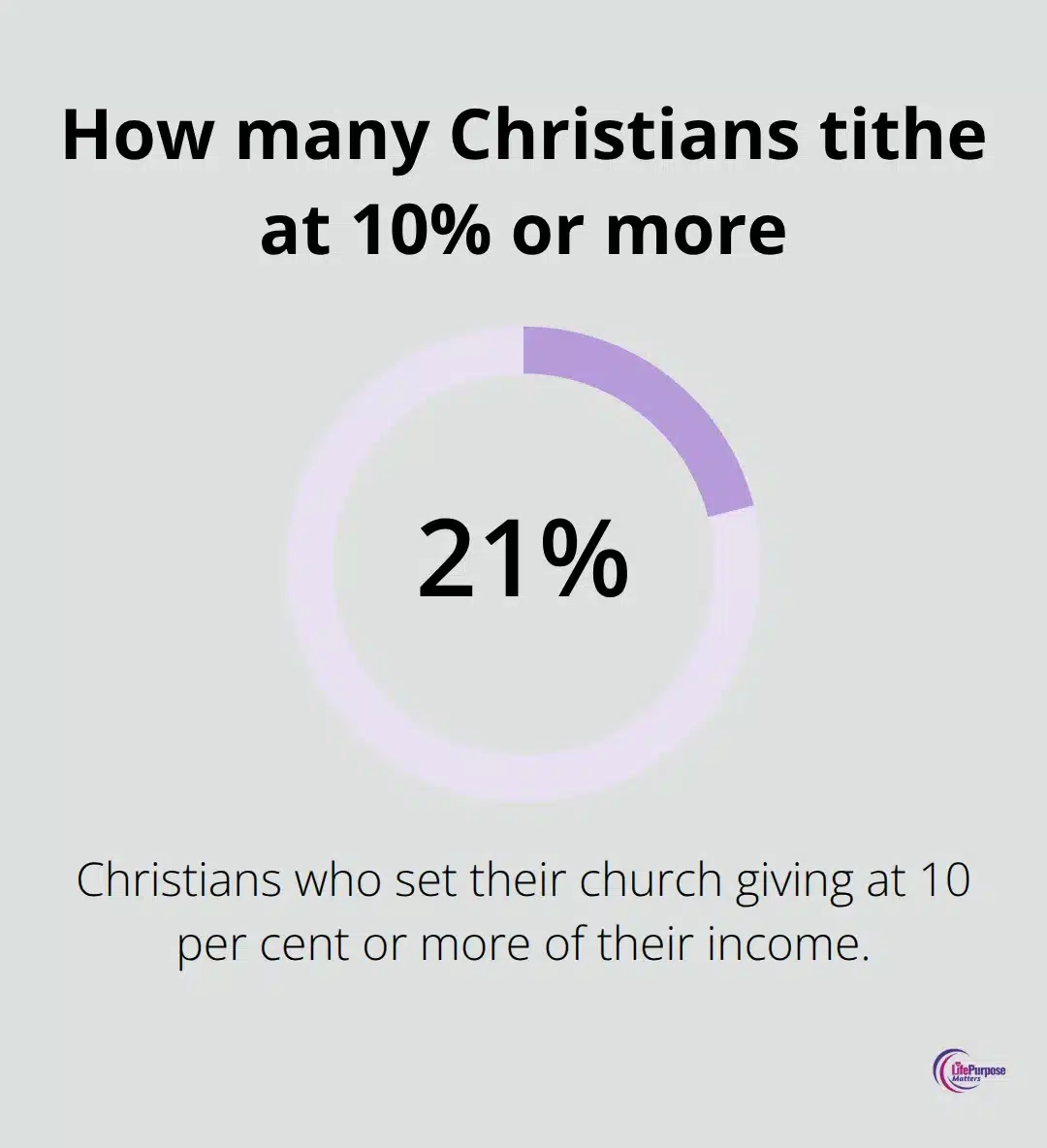
Tithing forces you into uncomfortable dependence on God’s provision that builds unshakeable faith. The Barna Group found that just 21 per cent of Christians set their church giving at 10 per cent or more of their income, with most varying their giving patterns. When you write that cheque before you pay other bills, you create space for God to demonstrate His reliability. This practice transforms anxiety into expectation as you witness repeated provision that defies your budget calculations.
Gratitude Multiplies Through Intentional Acts
Regular generosity rewires your brain to notice abundance rather than scarcity. Neuroscience research at UCLA demonstrates that grateful people show increased activity in the hypothalamus (which regulates stress and improves sleep quality). When you give consistently, you train your mind to inventory blessings instead of deficits. This shift creates contentment that advertisements and social media cannot erode, because your joy source becomes God’s character rather than material accumulation.
Ministry Opportunities Surface Through Generous Actions
Generosity opens doors for gospel conversations that structured programmes cannot manufacture. When you pay for someone’s groceries or cover unexpected medical bills, you create natural opportunities to share why you give. The recipient’s curiosity about your motivation becomes an invitation to explain God’s love in practical terms. These organic moments carry more authenticity than rehearsed presentations because your actions already demonstrated Christ’s character before you spoke His name.
These inner transformations prepare you to implement specific practices that make generosity a daily reality rather than an occasional impulse.
How Do You Practise Daily Generosity
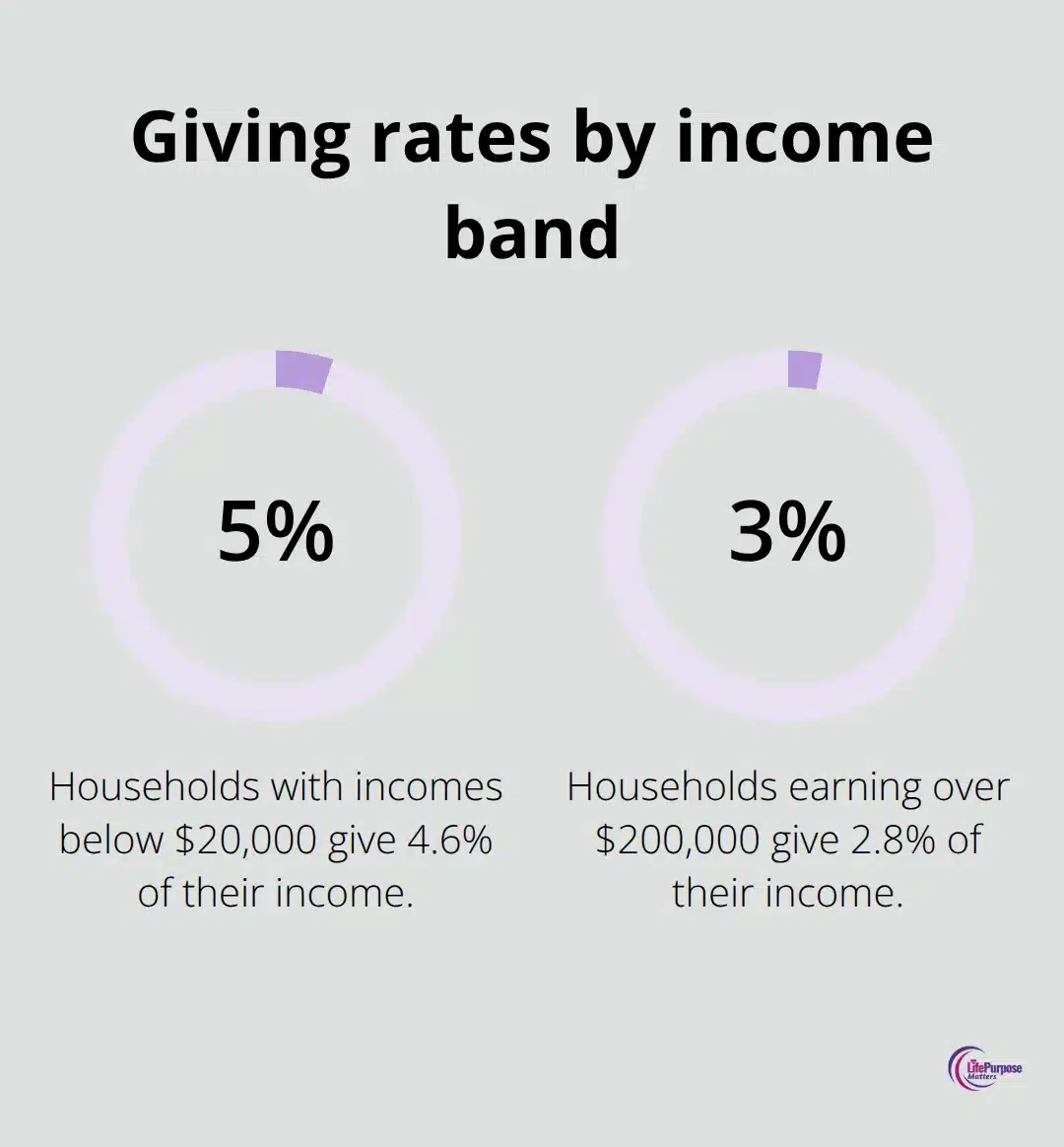
Your generosity practice requires specific systems that move beyond good intentions into measurable action. Set a fixed percentage for your church contributions and stick to it regardless of monthly income fluctuations. The National Study of American Giving found that households with incomes below $20,000 annually give 4.6% of their income, while those who earn over $200,000 give just 2.8%. This data proves that generous habits form through discipline, not wealth accumulation.
Create automatic transfers to your church account on payday before other expenses tempt you to reduce your commitment.
Money Follows Heart Direction
Start with 10% of gross income as your baseline target, then add specific amounts for missions, local food banks, and crisis relief funds. Track these donations monthly to identify patterns and celebrate growth. The Evangelical Council for Financial Accountability reports that American evangelicals gave $146 billion to churches and ministries in 2022, yet most Christians give sporadically without intentional plans. Schedule quarterly reviews to assess your progress and adjust amounts based on income changes.
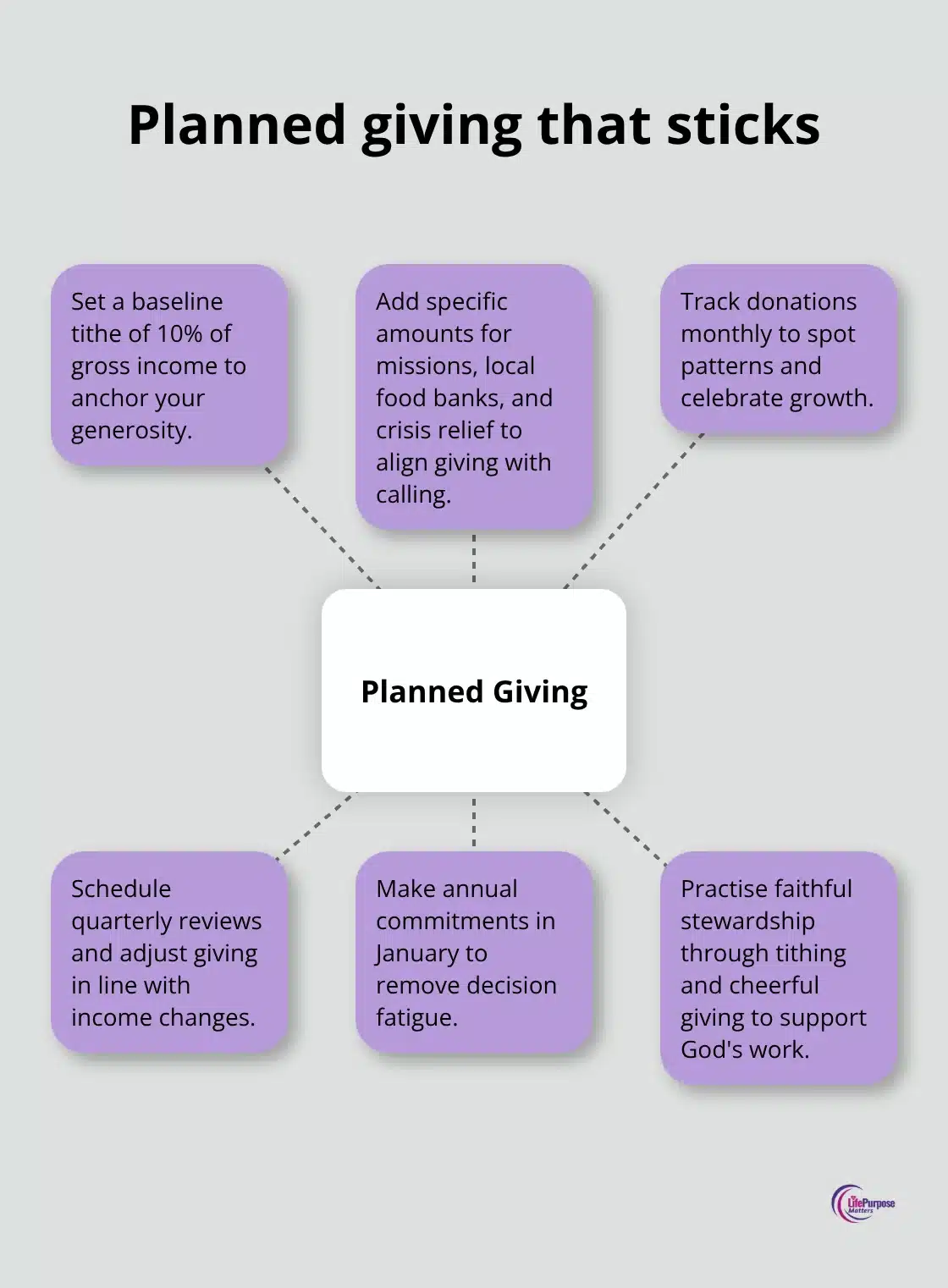
Write cheques for annual commitments in January to eliminate monthly decision fatigue about whether you can afford generosity. Practise faithful stewardship through tithing and cheerful giving to support God’s work.
Time Investment Creates Impact
Volunteer for specific roles that match your skills rather than accept any available position. Teach Sunday school if you excel at communication, manage church finances if you understand accounts, or coordinate food distribution if you have organisational strengths. The Corporation for National and Community Service found that volunteers served 4.99 billion hours and contributed over $167.2 billion in economic value between September 2022 and 2023. Choose commitments you can maintain for at least one year to build relationships and develop expertise. Cancel other activities if necessary to protect your service hours from other priorities.
Skill Shares Multiply Ministry Effectiveness
Offer professional services at reduced rates to fellow church members and non-profit organisations. Web designers can build ministry websites, accountants can prepare tax returns for low-income families, and mechanics can repair vehicles for single mothers. These targeted contributions create more value than cash donations because recipients receive services they cannot afford otherwise. Join Toastmasters if you have speaking gifts, volunteer at homeless shelters if you have mercy gifts, or teach Sunday school if you have teaching abilities. Document your donated hours and calculate their market value for tax deduction purposes while you maintain records that demonstrate your generosity patterns over time.
Final Thoughts
Christian generosity mirrors God’s character because He gave His Son for humanity’s redemption. When you practise sacrificial acts, you reflect divine love that transforms communities and builds God’s kingdom on earth. Your generous actions create ripple effects that extend far beyond immediate recipients.
The widow who receives groceries tells her neighbour about your kindness. The family whose medical bills you cover shares their testimony at church. These moments multiply your impact exponentially while they deepen your spiritual maturity (and strengthen your faith in God’s provision).
Daily Christian generosity requires intentional choices that challenge cultural norms of accumulation and self-preservation. Start each morning and ask God how you can give today, whether through money, time, or encouragement. We at Life Purpose Matters encourage you to embrace generous acts as a lifestyle rather than an occasional impulse, and you can visit Life Purpose Matters for additional resources that support your spiritual journey.