

Susan stared at her phone, scrolling through hundreds of social media connections yet feeling completely alone. Despite being “friends” with fellow believers online, she craved the deep Christian friendship her grandmother always talked about.
Modern technology promises connection but often delivers isolation instead. At Life Purpose Matters, we believe authentic relationships require more than digital interactions, they need intentional investment and genuine vulnerability.
Why Digital Connections Feel So Empty
Susan’s experience reflects a crisis in Christian community. Research from the Pew Research Centre shows that Americans use various social media platforms extensively, yet loneliness rates have reached epidemic levels. The paradox strikes us: we have more ways to connect than ever before, yet genuine Christian fellowship seems increasingly rare.
The Surface-Level Trap
Social media platforms reward quick interactions over meaningful conversations. A study by MIT found that the average social media interaction lasts just 1.7 seconds. This creates what researchers call performative Christianity, where believers share Bible verses and attend online services but rarely engage in the vulnerable, life-changing conversations that Scripture commands.
The early church met daily in homes, shared meals and bore each other’s burdens. Today’s digital interactions rarely move beyond emoji reactions and brief comments. Facebook reports that 70% of interactions on Christian content are simple likes or shares, not substantive engagement.

Why Technology Isolates Believers
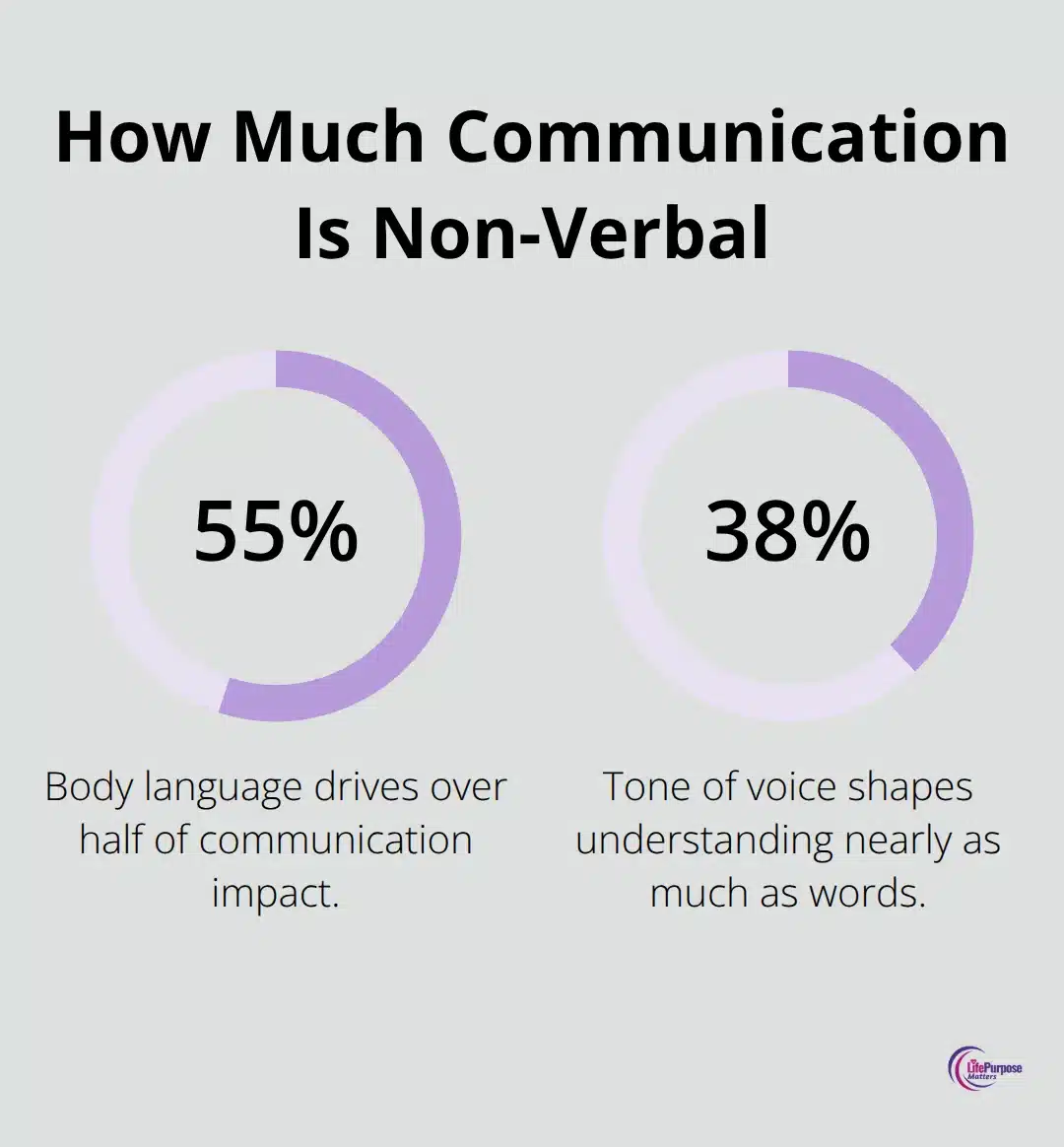
Digital communication removes vital elements of human connection. UCLA research demonstrates that 55% of communication happens through body language and 38% through tone of voice. Text messages and social media posts eliminate these components, making authentic spiritual connection nearly impossible.
Video calls help but still lack the physical presence that creates true intimacy. Studies show that in-person conversations produce higher levels of oxytocin (the hormone responsible for bonding and trust). When churches moved online during the pandemic, many reported a 40% decrease in meaningful pastoral conversations and spiritual accountability partnerships.
The Effort Gap in Christian Community
Deep Christian friendships require intentional investment that digital platforms actively discourage. Apps and social media are designed for quick consumption, not sustained relationship building. The Harvard Study of Adult Development has established a strong correlation between deep relationships and well-being.
Yet the average Christian spends less than 30 minutes weekly in direct conversation with fellow believers outside of formal church services. This effort gap explains why many believers feel spiritually isolated despite digital connections to hundreds of other Christians.
The solution lies not in abandoning technology entirely, but in understanding what Scripture teaches about authentic friendship and community.
What Does Scripture Teach About Real Friendship
Scripture presents a radically different model of friendship than what social media promotes. Jesus demonstrated authentic relationship through three specific practices that directly contradict digital age habits. First, He invested concentrated time with a small group rather than broadcast to masses. The Gospel of Mark records that Jesus chose twelve disciples to be with Him and spent three years in daily, face-to-face interaction. Second, Jesus practised radical vulnerability and shared His deepest struggles in Gethsemane while He asked friends to pray with Him during His darkest hour. Third, He prioritised physical presence, walked dusty roads together, and shared meals rather than sent messages from a distance.
The Burden-Bearer Command Changes Everything
Paul’s instruction in Galatians 6:2 to bear one another’s burdens establishes a friendship standard that digital interactions cannot fulfil. Research by Barna Group shows that 56 per cent of U.S. Christian adults view their spiritual lives as entirely private. This statistic reveals how far modern Christian friendship has drifted from biblical expectations.
Real burden-bearing requires presence during crisis, practical help during hardship, and consistent accountability through spiritual battles. The early church in Acts 2 shared possessions, met daily in homes, and maintained such close relationships that they could anticipate each other’s needs.
Physical Proximity Enables Spiritual Intimacy
Archaeological evidence from first-century Christian communities shows believers lived within walking distance of each other (often in the same neighbourhoods or housing complexes). This physical proximity made spontaneous support and frequent interaction natural parts of daily life. Modern believers scatter across cities and suburbs, which makes the deep spiritual intimacy that Scripture commands much more difficult to achieve.
The early church model demonstrates that authentic Christian friendship requires intentional choices about how we structure our lives and invest our time. These biblical principles provide the foundation for practical steps that can transform surface-level digital connections into life-changing Christian community partnerships.
How Do You Create Lasting Christian Friendships
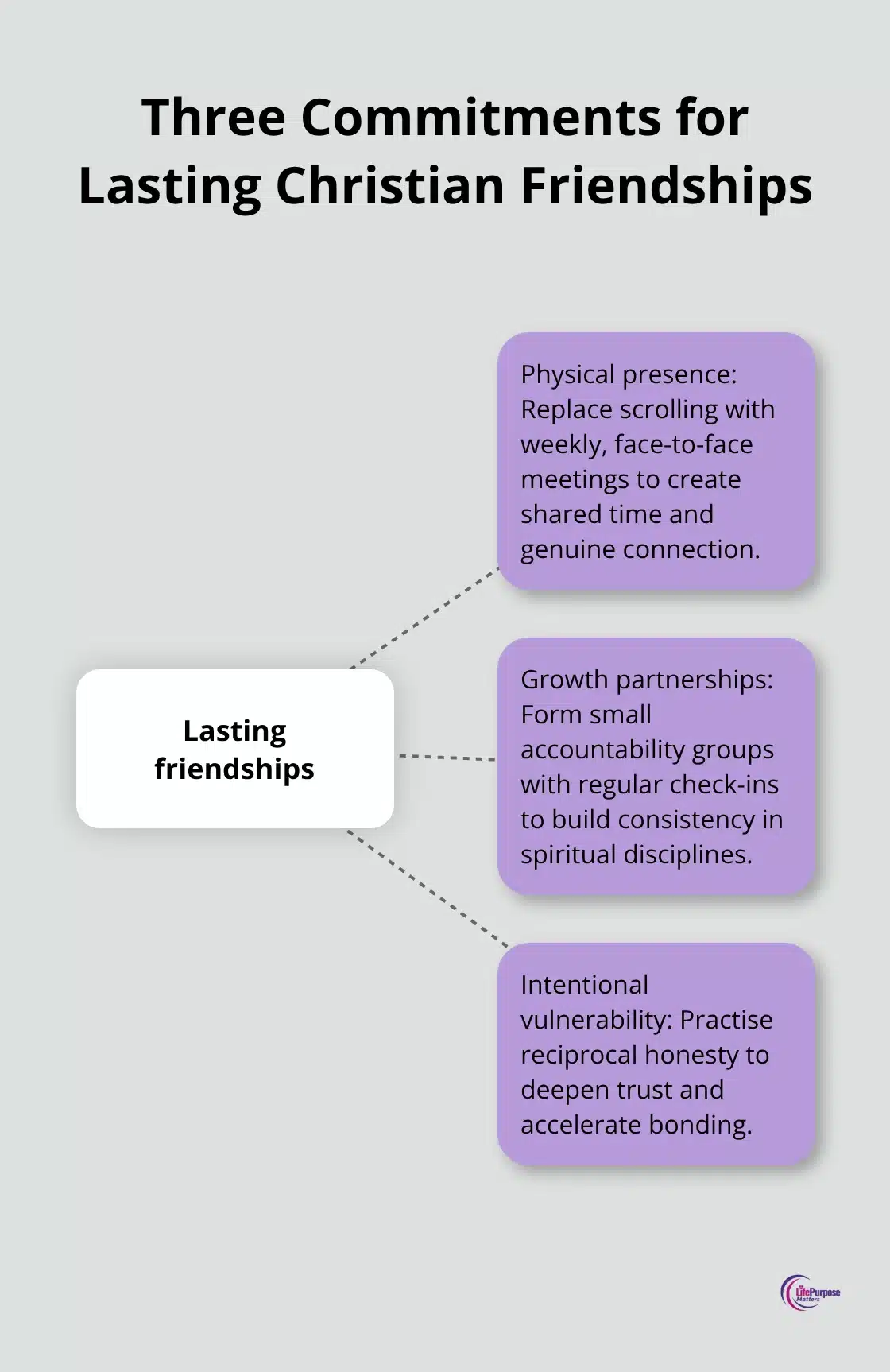
Meaningful Christian friendships demand radical changes to how most believers approach relationships. Research from the American Psychological Association shows that people need approximately 200 hours of interaction to develop close friendships, yet the average Christian spends less than 10 hours monthly in meaningful conversation with fellow believers outside church services. The solution requires three specific commitments that directly challenge digital age habits.
Replace Digital Habits With Physical Presence
Cancel recurring social media interactions and schedule weekly coffee meetings with one potential Christian friend. Studies from the University of Kansas demonstrate that friendship formation accelerates through consistent face-to-face meetings rather than sporadic digital contact. Choose someone from your church or Christian community and commit to meet every Tuesday at 7 AM for three months.
During these meetings, discuss specific spiritual challenges you face rather than surface-level topics. This approach creates the concentrated time investment that Jesus modelled with His disciples and produces the oxytocin response that digital interactions cannot replicate (the hormone responsible for trust and connection).
Establish Spiritual Growth Partnerships
Create structured accountability relationships that go beyond casual encouragement. Select two or three believers who share similar spiritual goals and establish weekly check-ins focused on specific growth areas like prayer consistency, Scripture memorisation, or service opportunities. Research from Fuller Seminary indicates that Christians with regular spiritual accountability partners show 40% greater consistency in spiritual disciplines compared to those without structured support.
Meet monthly for deeper spiritual discussions with specific questions about God’s work in your lives, current spiritual battles, and areas where you need prayer support. This systematic approach mirrors the early church’s daily fellowship and creates the burden-bearing relationships that Galatians 6:2 commands.
Practise Intentional Vulnerability
Share personal struggles and spiritual doubts with trusted Christian friends rather than maintain perfect facades. Studies show that vulnerability creates deeper emotional bonds and accelerates friendship development (particularly when both people reciprocate openness). Start conversations with phrases like “I’ve been struggling with…” or “I need prayer for…” instead of generic updates about your week.
This practise requires courage but produces the authentic relationships that Scripture describes. Jesus demonstrated this vulnerability when He asked His disciples to stay awake and pray with Him in Gethsemane, sharing His deepest anguish during His darkest hour.
Final Thoughts
Susan’s story represents millions of believers who mistake digital connections for authentic Christian friendship. God designed us for relationships that transcend screens and status updates. The early church thrived without smartphones or social media because they understood a fundamental truth: deep spiritual bonds require physical presence, vulnerable conversations, and consistent investment of time.
Technology serves as a useful tool to maintain existing friendships, but it cannot replace the face-to-face interactions that create lasting spiritual partnerships. The 200 hours needed for close friendship development happens through shared meals, prayer sessions, and life’s challenges faced together (not through emoji reactions and brief comments). These relationships become the foundation for spiritual growth and the support system that carries us through difficult seasons.
We at Life Purpose Matters believe that authentic community remains possible in our digital age when believers prioritise biblical principles over technological convenience. Your spiritual journey deserves the depth and richness that only genuine Christian friendship can provide. Visit Life Purpose Matters for additional resources on how to live out your faith through meaningful relationships.